

With a rapidly aging population, a rapidly growing cohort will have both Hearing and Vision Loss, commonly called Dual Sensory Loss (DSL).

Our family wishes yours a happy and healthy 2026! In the year ahead, we will continue sharing useful educational information to help you make well informed hearing healthcare decisions.
We appreciate everyone who reads our newsletters, and we always welcome your questions and feedback. We seek to serve, and being in the know is what you deserve.
How Hearing and Vision Support Daily Life
Clear hearing and vision help us comfortably navigate our daily surroundings. Life’s soundtrack and beautiful sights enrich our experiences and stimulate our minds. From casual conversations and dining out to favorite hobbies, the sensory benefits of healthy hearing and vision should not be taken for granted.

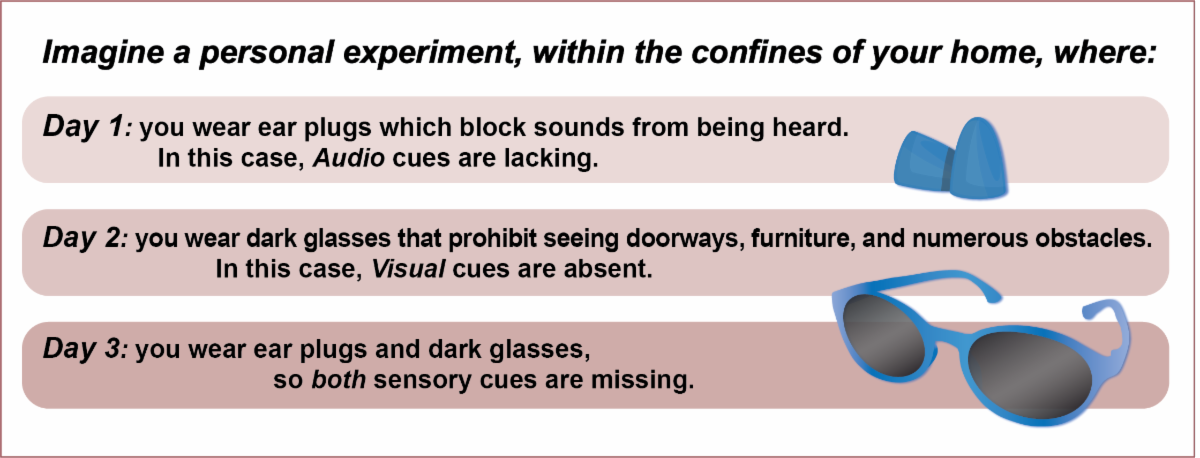
In these three scenarios, especially Day 3, managing daily activities could become challenging and possibly unsafe. Take a moment to consider how these difficulties might cause the brain to work harder.
Is someone in your circle of life affected by hearing loss, vision loss or both? If so, are they receiving trusted professional advice?
Hearing and Vision Loss Become More Common With Age
Tens of millions of people in North America are estimated to have some degree of hearing loss or vision loss. Both conditions become more common as we age.
Presbycusis, also known as age related hearing loss, is estimated to affect approximately two thirds of Americans age 70 or older.
Common causes of vision loss include cataracts, macular degeneration, diabetic retinopathy and glaucoma.
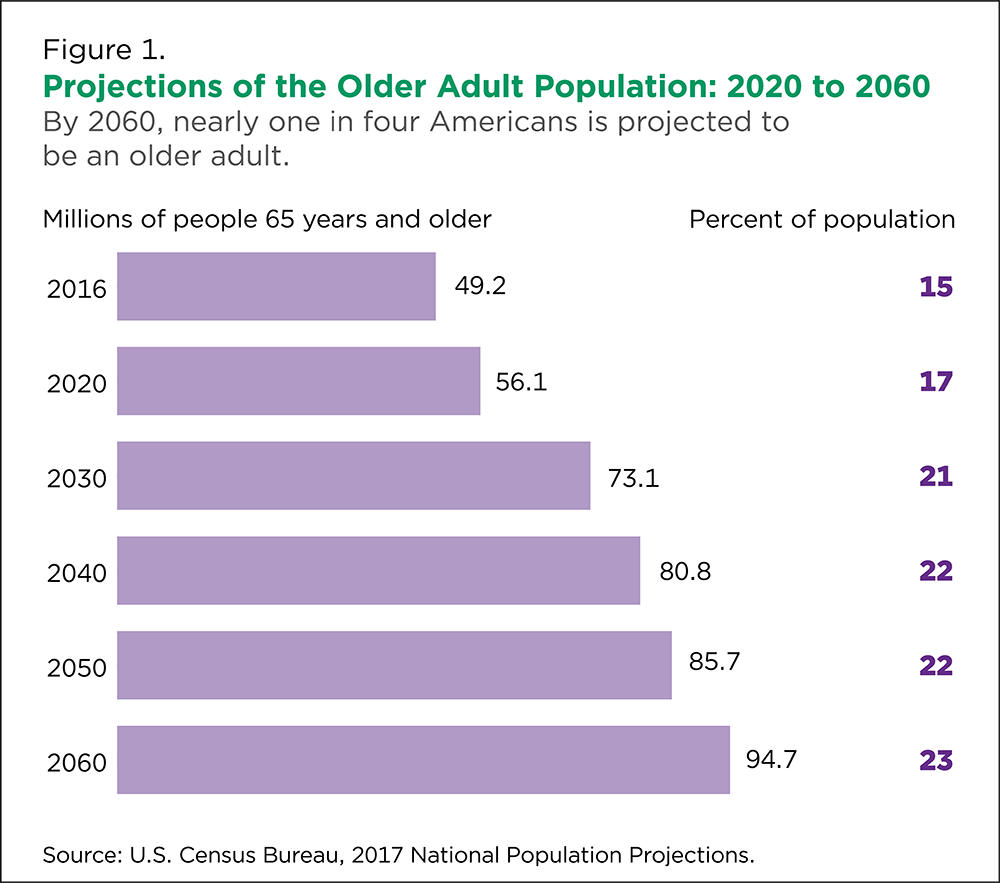
From a public health perspective, the United States Census Bureau’s population projections show why these issues deserve attention. By 2030, an estimated 73.1 million people, or about 21 percent of the population, will be age 65 or older.
Source: Age related hearing loss information from the National Library of Medicine
Understanding Dual Sensory Loss
As the population ages, a growing number of people will experience both hearing and vision loss. This is commonly called dual sensory loss.
January’s Glaucoma Awareness Month is an ideal time to raise awareness about dual sensory loss and the value of regular hearing and vision care.
Why Glaucoma Is Called the Sneak Thief of Sight
Glaucoma is often called the sneak thief of sight because there may be no noticeable symptoms during the early stages of optic nerve damage. This incurable disease typically causes permanent visual field loss that progresses from the outside inward.
Regular eye examinations, earlier detection and personalized treatment plans can help preserve sight.

Watch this short video to see how vision with glaucoma may appear.
Hearing Loss Can Also Progress Gradually
Gradual hearing loss is often invisible. Even when it is noticed, people may dismiss it as a normal part of aging. Although age related hearing loss is common, it still deserves professional attention.
Are You Noticing Any of These Hearing Warning Signs?
- Do you think other people frequently mumble?
- Can you hear people talking but have difficulty understanding their words?
- Do you have trouble hearing in crowds or when background noise is present?
- Do you frequently ask other people to repeat themselves?
- Do you lack confidence in social settings or avoid social situations?
If these experiences sound familiar, a professional hearing evaluation can help identify the cause and determine what support may be beneficial.
Learn About Hearing EvaluationsReconnect With the Sights and Sounds of Nature
Have you heard of BirdNET, the Cornell Lab’s citizen science project that uses machine learning to recognize birds by their sounds?
This technology offers a fun way to reconnect with nature and learn which birds may be nearby. In our busy lives, the sights and sounds of birds can bring a welcome moment of enjoyment.
Explore BirdNETWith senseful purpose, we want you and your loved ones to be happy to see and hear!
Good Humor, Healthy Hearing
While we take your hearing care seriously, a little laughter goes a long way.
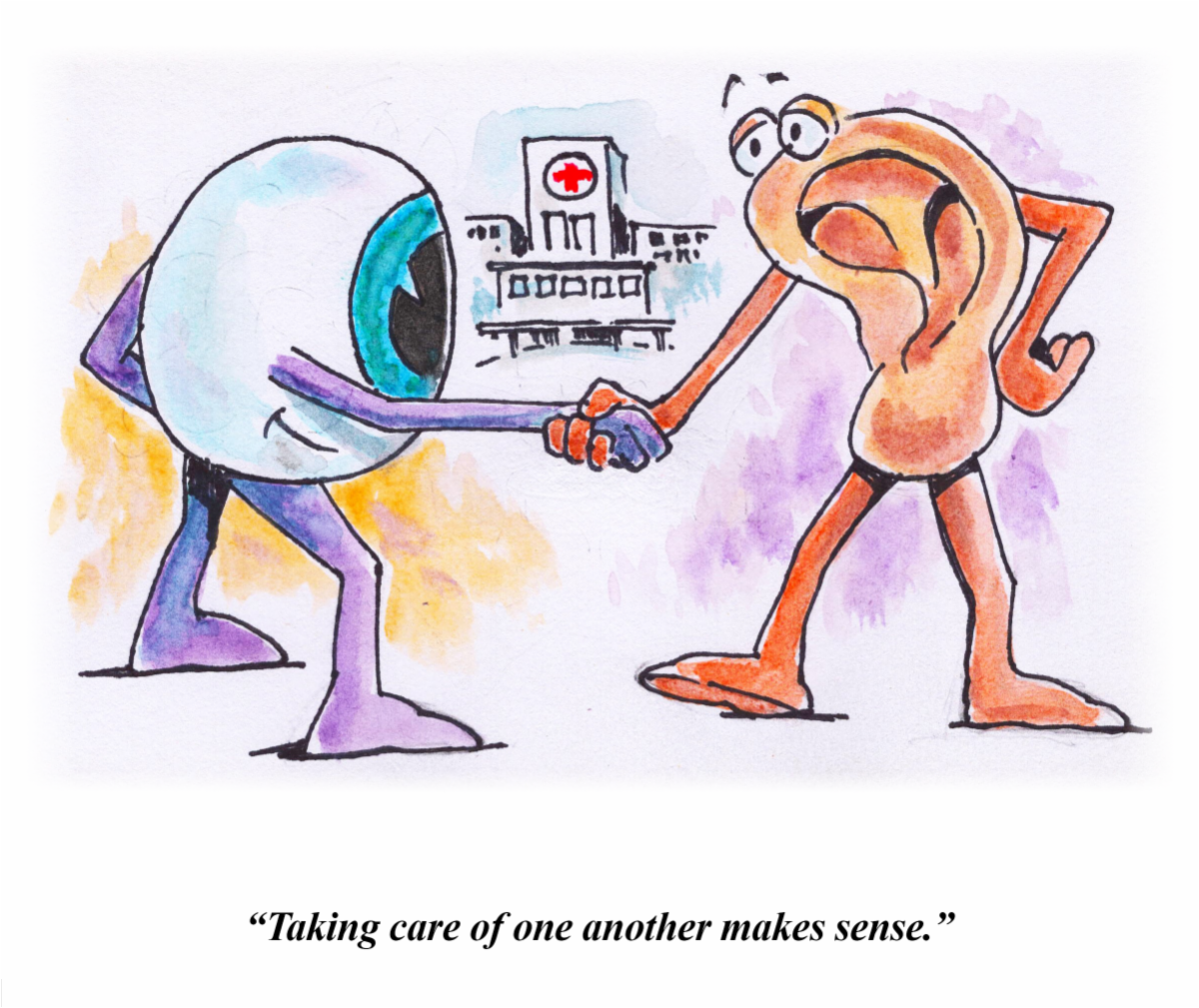
Just as you visit an ophthalmologist or optometrist for regular vision care, it is important for you, your loved ones and your colleagues to receive regular hearing evaluations.
In 2026 and the years ahead, do not let age related hearing loss become the sneak thief of sound.
Listen to Focus Hearing Podcasts
Explore helpful conversations about hearing health, hearing technology and better communication.
 Watch this Focus Hearing podcast episode
 Watch another Focus Hearing podcast
 View this Focus Hearing educational episode
See More Focus Hearing Videos and Podcasts
Focus Hearing South

What Our Patients Say
“Great service and support! If you have any hearing issues or need hearing aids, I highly recommend Focus Hearing. They will help you get the best hearing aids based on your hearing needs. Their ongoing support is excellent!”
Phil A.
Visit Focus Hearing
Focus Hearing Quivira
10990 Quivira Road, Suite 120
Overland Park, Kansas 66210
Monday through Friday
10:00 a.m. to 3:00 p.m.
Focus Hearing South
7500 West 160th Street, Suite 103
Stilwell, Kansas 66085
Monday through Thursday
10:00 a.m. to 3:00 p.m.
Lunch from 12:30 p.m. to 1:00 p.m.
Are you ready to hear your best?
Contact Focus Hearing to schedule a professional hearing evaluation.
Contact Focus Hearing