

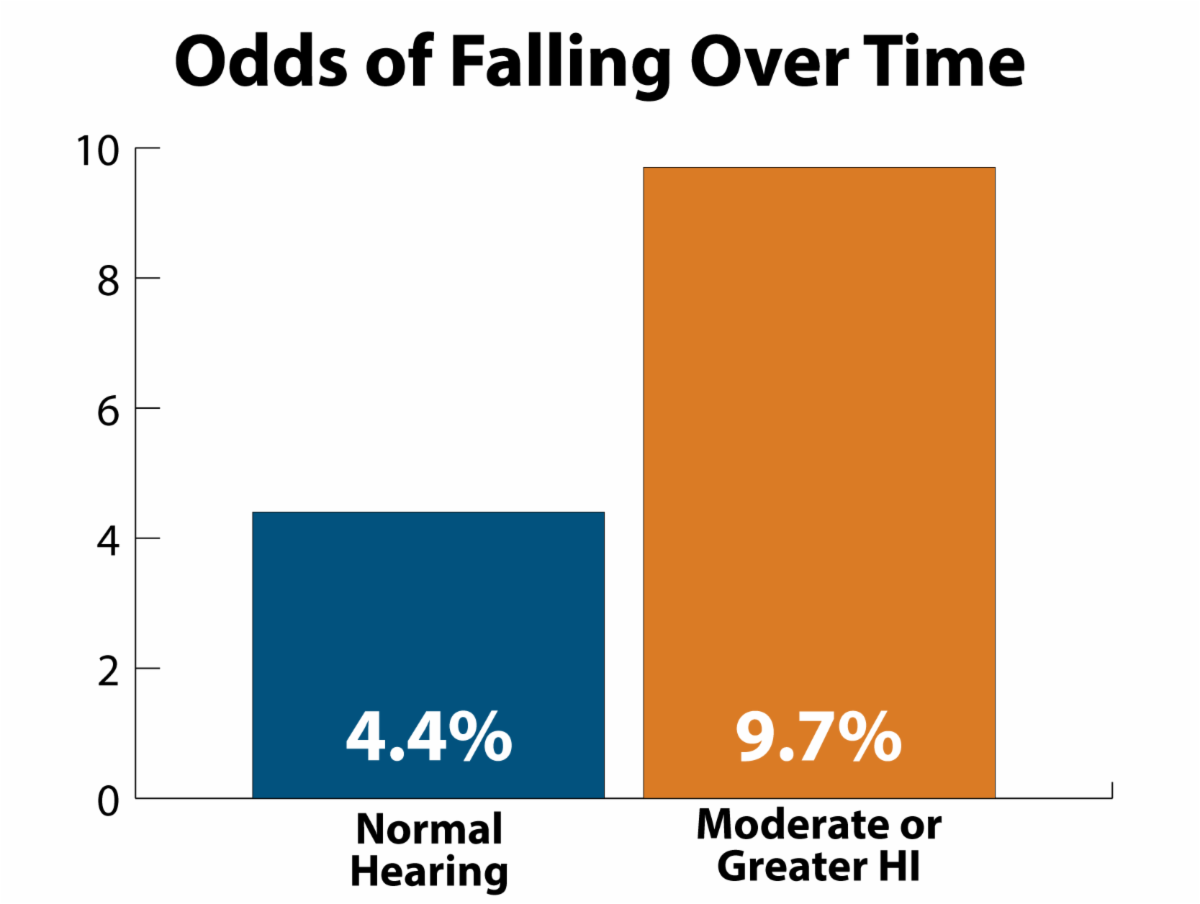
As shown, compared to individuals with normal hearing, research indicates those with moderate or greater hearing impairment (HI) have measurably greater risks of falling.

Hearing Loss, Fall Risk and Frailty
“Educating the mind without educating the heart is no education at all.”
Aristotle
Back to school season is a good reminder that learning does not stop when formal education ends. Adults can continue learning about medical subjects that affect their health, independence and quality of life.
Researchers devote their careers to publishing evidence based findings in respected medical journals. When this research concerns hearing health, we should all be willing to listen.

Hearing Loss Is Connected With Other Health Conditions
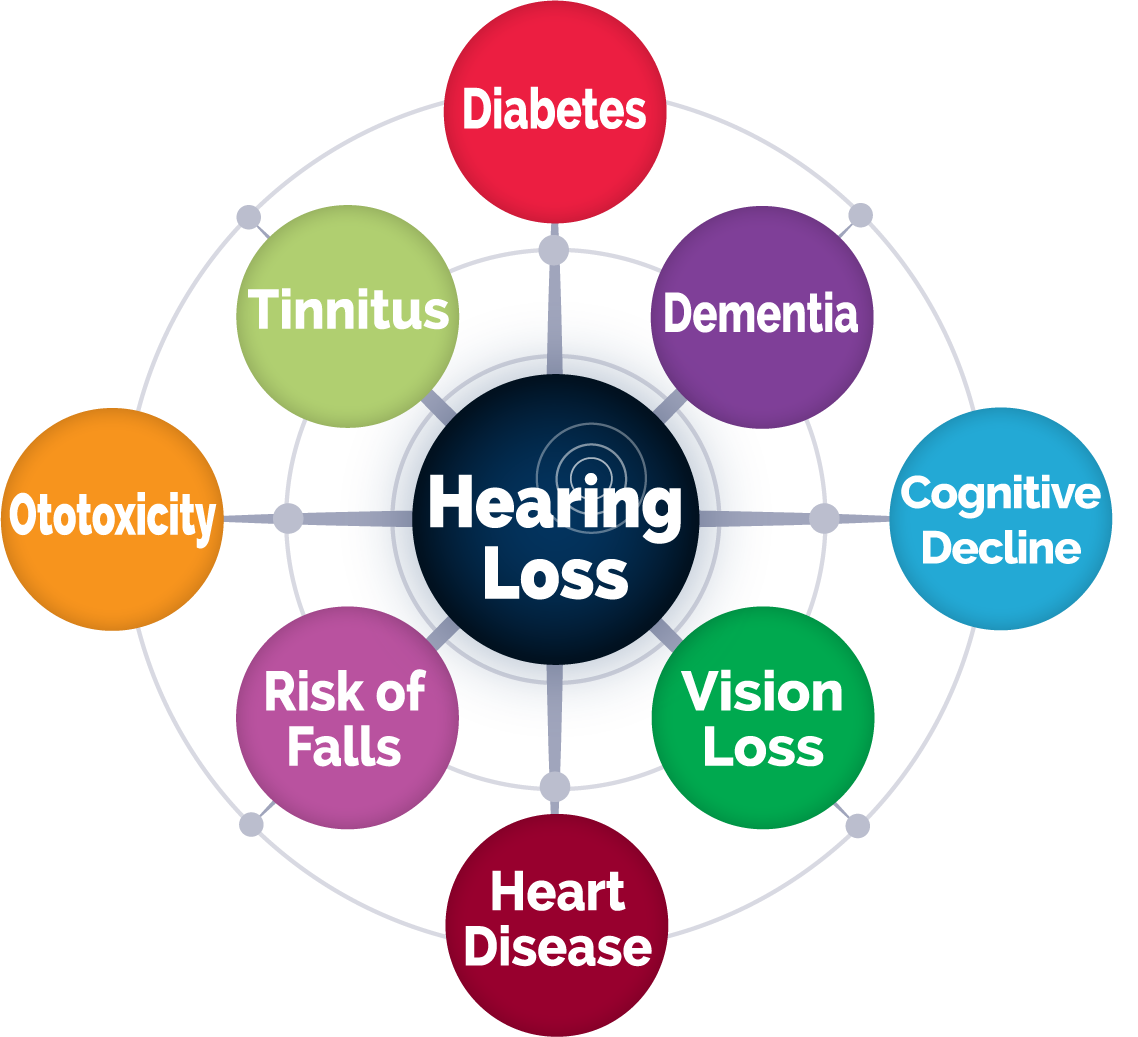
Focus Hearing’s educational campaign examines how hearing loss may relate to other medical conditions. Learning about these relationships can help patients and families make informed healthcare decisions.
Many people have, or know someone who has, one or more chronic medical conditions. Understanding the research and applying what we learn may support better health outcomes.
Connections between hearing loss and other health conditions can vary:
- Diabetes may increase the likelihood of developing hearing loss.
- Untreated hearing challenges may increase certain risks associated with cognitive decline and dementia.
- Hearing loss and vision loss can create a combined effect through dual sensory deprivation.
- Some medications may be ototoxic, meaning they can harm hearing or balance function.
This month’s topic examines how hearing loss may relate to the risk of falls and frailty.
Does Hearing Loss Increase the Risk of Falling?
Research indicates that people with moderate or greater hearing impairment may face a measurably greater risk of falling than people with normal hearing.
The research also explored the relationship between hearing loss and frailty.
What Is Frailty?
Frailty is a clinical syndrome in older adults involving reduced physical reserve and weakness. It may make a person more vulnerable to illness, injury and other physical stressors.
In everyday language, frailty can describe a condition in which someone feels weak, physically vulnerable or less able to recover from a stressful event.
Moderate Hearing Loss and Frailty Risk
Researchers found that moderate or greater hearing impairment, measured through professional hearing testing, was associated with an increased risk of developing frailty among active older adults living in the community.
Compared with participants who had normal hearing, older adults with moderate or greater hearing impairment had a 63 percent increased risk of frailty.
The association remained after researchers accounted for age, demographic characteristics and cardiovascular risk factors.
Review the Hearing Loss and Frailty Research
A Possible Chain Reaction
Evidence suggests that hearing impairment may increase the risk of both falls and frailty. Falls can cause serious injuries, including hip fractures, which may affect mobility and independence.

Why Might Hearing Loss Affect Balance and Fall Risk?
Several possible mechanisms may help explain the relationship between hearing loss, falls and frailty.
- Hearing loss and balance difficulties may share underlying pathways involving the vestibular system inside the inner ear.
- Reduced awareness of environmental sounds may limit sensory cues that help a person navigate everyday surroundings.
- When the brain works harder to understand speech, fewer attentional resources may be available for maintaining posture and balance.
What Is Postural Balance?
Postural balance is the stable and safe position a person maintains while standing, walking, sitting or physically reacting to the surrounding environment.
Good balance plays an important role in many ordinary activities, including:
- Walking through the home or community.
- Getting up from a chair or bed.
- Using stairs and curbs.
- Responding to approaching people, vehicles or other hazards.
- Moving safely in dimly lit or unfamiliar environments.
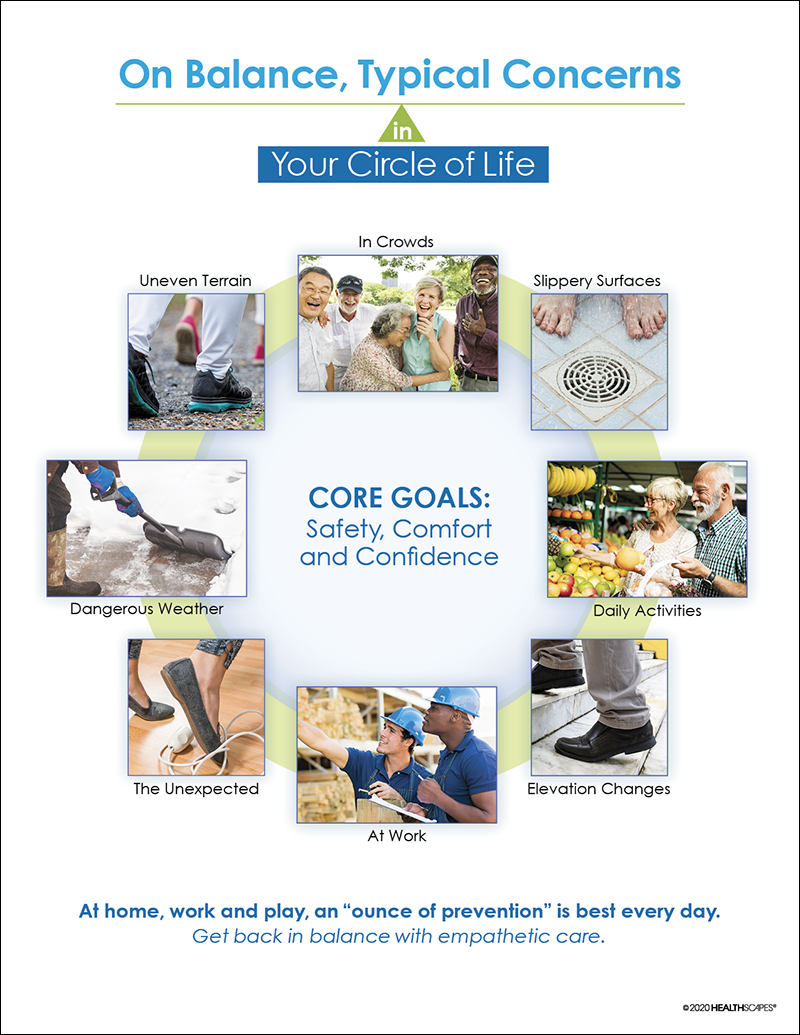
View the Balance Information at Full Size
Reducing the Risk of Falls and Frailty
Better hearing may support awareness, communication and safe participation in daily activities. Adults should receive periodic professional hearing tests, especially when hearing or balance changes are suspected.
An evidence based balance evaluation may also be appropriate for someone who has experienced falls, dizziness, unsteadiness or changes in mobility.
Consider Professional Evaluation If You:
- Have difficulty hearing warning signals or approaching vehicles.
- Feel unsteady while standing or walking.
- Have experienced a recent fall or near fall.
- Become disoriented in busy environments.
- Notice dizziness or changes in balance.
- Have not received a recent hearing evaluation.
Optimizing hearing can help people manage daily activities with greater awareness and confidence. Hearing care should be considered as one part of a broader fall prevention plan developed with qualified healthcare professionals.
Good Humor, Healthy Hearing
While we take your hearing care seriously, a little laughter goes a long way.
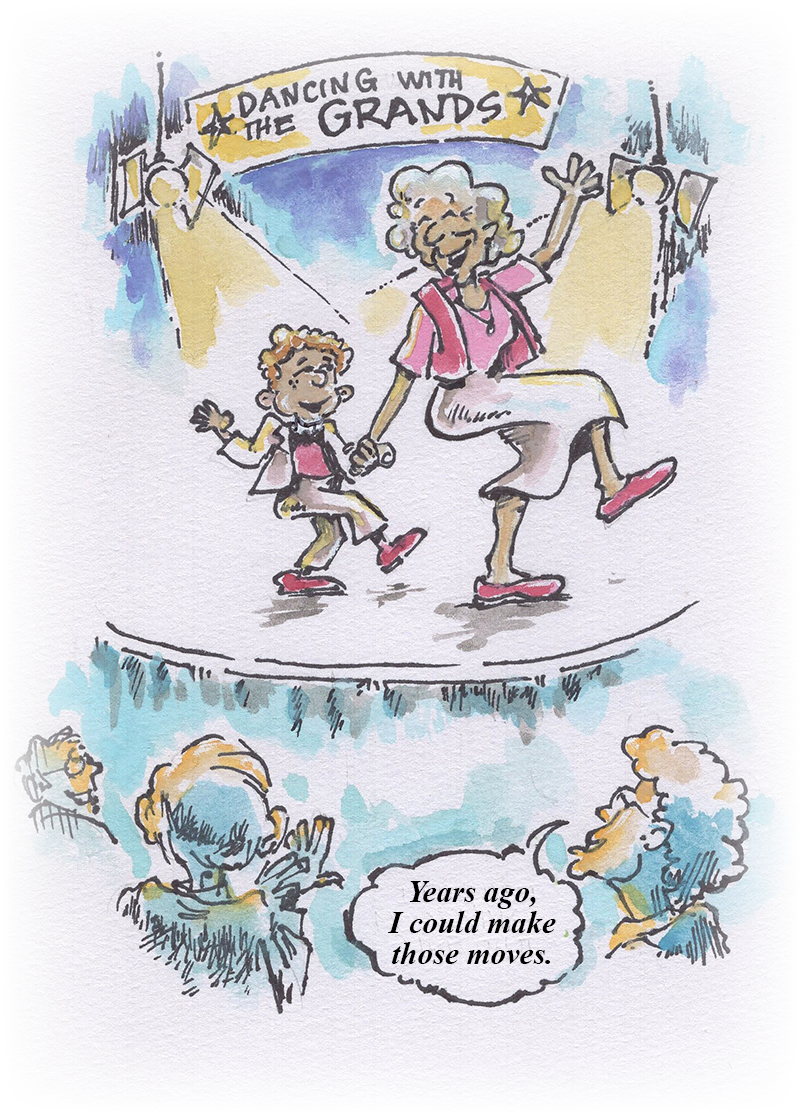
Reflect on this information, take it to heart and schedule an appointment if you have concerns about your hearing. On life’s playground, we want you to be safe and happy to hear.
Could hearing difficulties be affecting your awareness or confidence?
Schedule a professional hearing evaluation with Focus Hearing.
Contact Focus HearingThis information is provided for general educational purposes. Hearing care is only one part of fall prevention. Speak with your physician or another qualified healthcare professional about falls, dizziness, weakness, balance concerns or changes in mobility.
Listen to Focus Hearing Podcasts
Explore conversations about hearing health, patient experiences and practical tips for better hearing.
 Watch this Focus Hearing podcast episode
 Watch another Focus Hearing podcast
 View this Focus Hearing educational episode
Visit the Focus Hearing Podcast Page
Visit Focus Hearing South
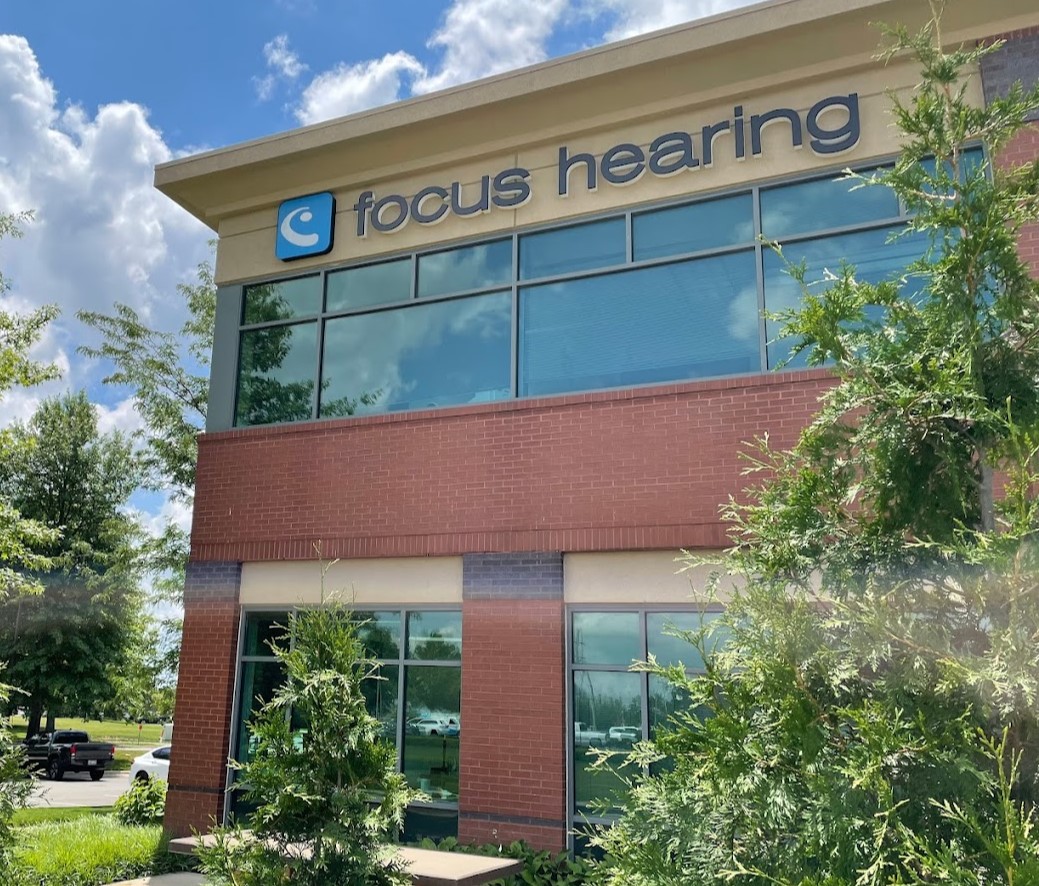
Focus Hearing has expanded with an additional location. Patients can expect the same personal attention and exceptional hearing care at both offices.
7500 West 160th Street, Suite 103
Stilwell, Kansas 66085
View the South Office on Google Maps

What Our Patients Say
“These guys are great. Personable and attentive, with great follow up to ask how things are going. Always here to help seems to be their motto. A friend of mine had trouble getting an appointment with his longtime audiologist. I suggested he go to Focus, and he got an appointment immediately and within days was completely satisfied with the service and professionalism.”
Patrick M.
Visit Focus Hearing
Focus Hearing Quivira
10990 Quivira Road, Suite 120
Overland Park, Kansas 66210
Walk in service hours
Monday through Friday
10:00 a.m. to 3:00 p.m.
Focus Hearing South
7500 West 160th Street, Suite 103
Stilwell, Kansas 66085
Walk in service hours
Monday through Thursday
10:00 a.m. to 3:00 p.m.
Closed for lunch from 12:30 p.m. to 1:00 p.m.