

As Better Hearing is Better Healthcare advocates, we are devoted to empowering you to make well-informed decisions. With respect to educational aspects, we are intently focused on how hearing loss relates to your health.

Noise Induced Hearing Loss: Protecting Your Health and Career
Better hearing is an important part of better healthcare. Focus Hearing is committed to helping you make informed decisions about hearing loss, related medical conditions and prevention.
Hearing loss can be associated with concerns involving cognitive health, vision loss, diabetes and fall risk. Noise induced hearing loss adds another important consideration. Preventing hearing damage may protect both your health and your financial well being.
Hearing Loss Affects People Around the World
Global estimates indicate that approximately 1.5 billion people have some degree of hearing loss. For comparison, the population of the United States is approximately 342 million.
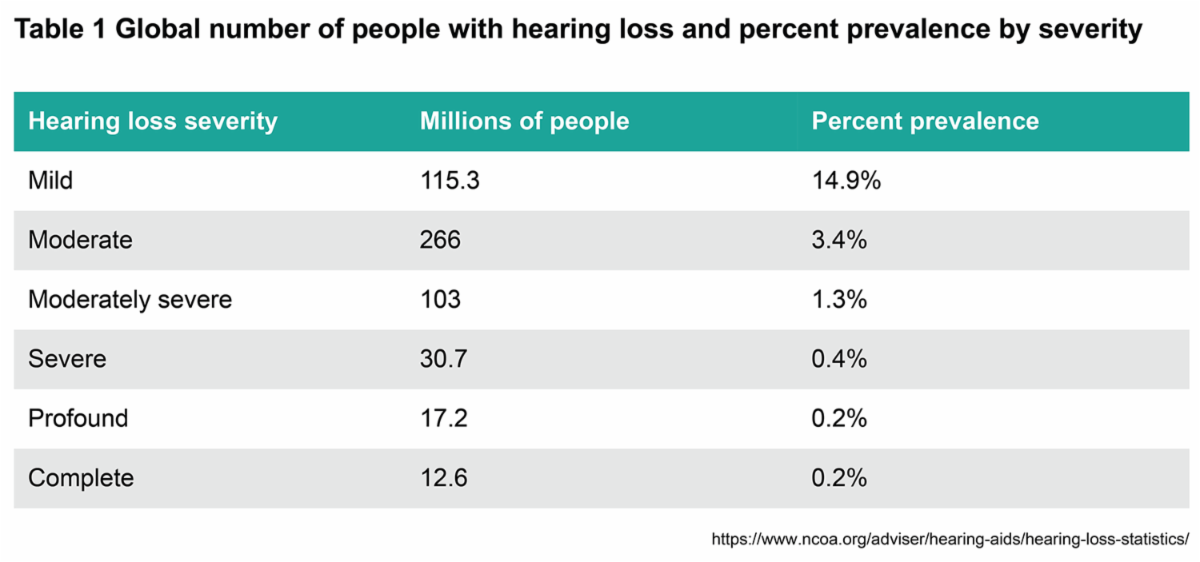
View the Hearing Loss Statistics at Full Size
Warning Signs of Excessive Workplace Noise
People who are regularly exposed to loud sounds face a greater risk of permanent hearing damage. According to the United States Occupational Safety and Health Administration, workplace noise may be a problem if you:
- Hear ringing or humming in your ears after leaving work.
- Have to shout to communicate with a coworker who is only an arm’s length away.
- Experience a temporary reduction in hearing after leaving work.
These warning signs should not be ignored. Ringing, temporary hearing changes and difficulty communicating around workplace noise may indicate that sound levels are hazardous.

Workplace Hearing Conservation Programs
OSHA requires employers to implement a hearing conservation program when employee noise exposure reaches or exceeds an average of 85 decibels during eight working hours.
A workplace hearing conservation program should help:
- Prevent initial occupational hearing loss.
- Preserve and protect a worker’s remaining hearing.
- Measure hazardous workplace sound levels.
- Provide employees with appropriate hearing protection.
- Educate workers about noise exposure and safe hearing practices.
- Monitor hearing through periodic professional testing.
Review OSHA Occupational Noise Guidance
Which Industries Have Greater Noise Exposure?
Without proper prevention, noisy workplaces can leave permanent effects. People working in the following settings may experience hazardous sound exposure:
- Construction and demolition.
- Manufacturing and industrial production.
- Agriculture and farming.
- Transportation and aviation.
- Military service and law enforcement.
- Landscaping and grounds maintenance.
- Music, entertainment and event production.
- Warehouses and distribution facilities.
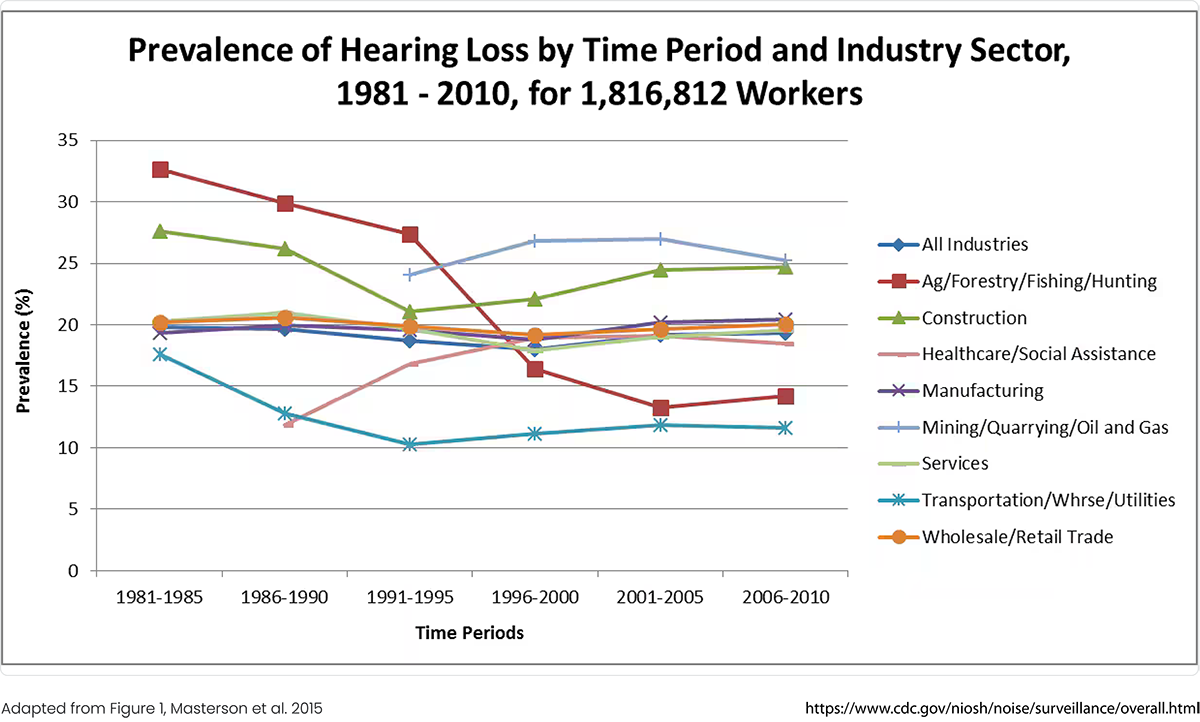
View the Workplace Noise Information at Full Size
Noise Induced Hearing Loss Is Preventable
Noise induced hearing loss is permanent, but it is also preventable. Once the sensory hair cells inside the inner ear are damaged, they do not grow back.
Prevention depends on recognizing hazardous noise, limiting exposure, using properly fitted hearing protection and receiving regular hearing tests.
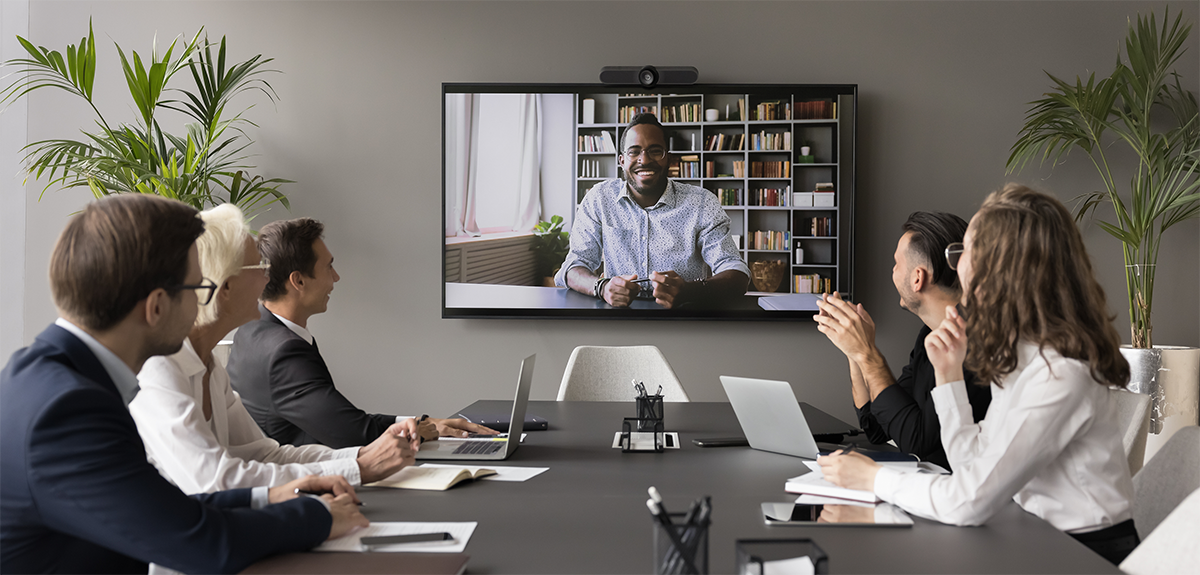
Hearing Loss Can Affect Employment and Earnings
As employment has shifted from physical labor toward jobs requiring more communication, hearing and communication difficulties can have a greater effect on workplace productivity.
Workers with hearing loss may experience communication problems, increased fatigue, frustration, stress, burnout and emotional exhaustion. These challenges may influence job performance, employment opportunities and earnings.
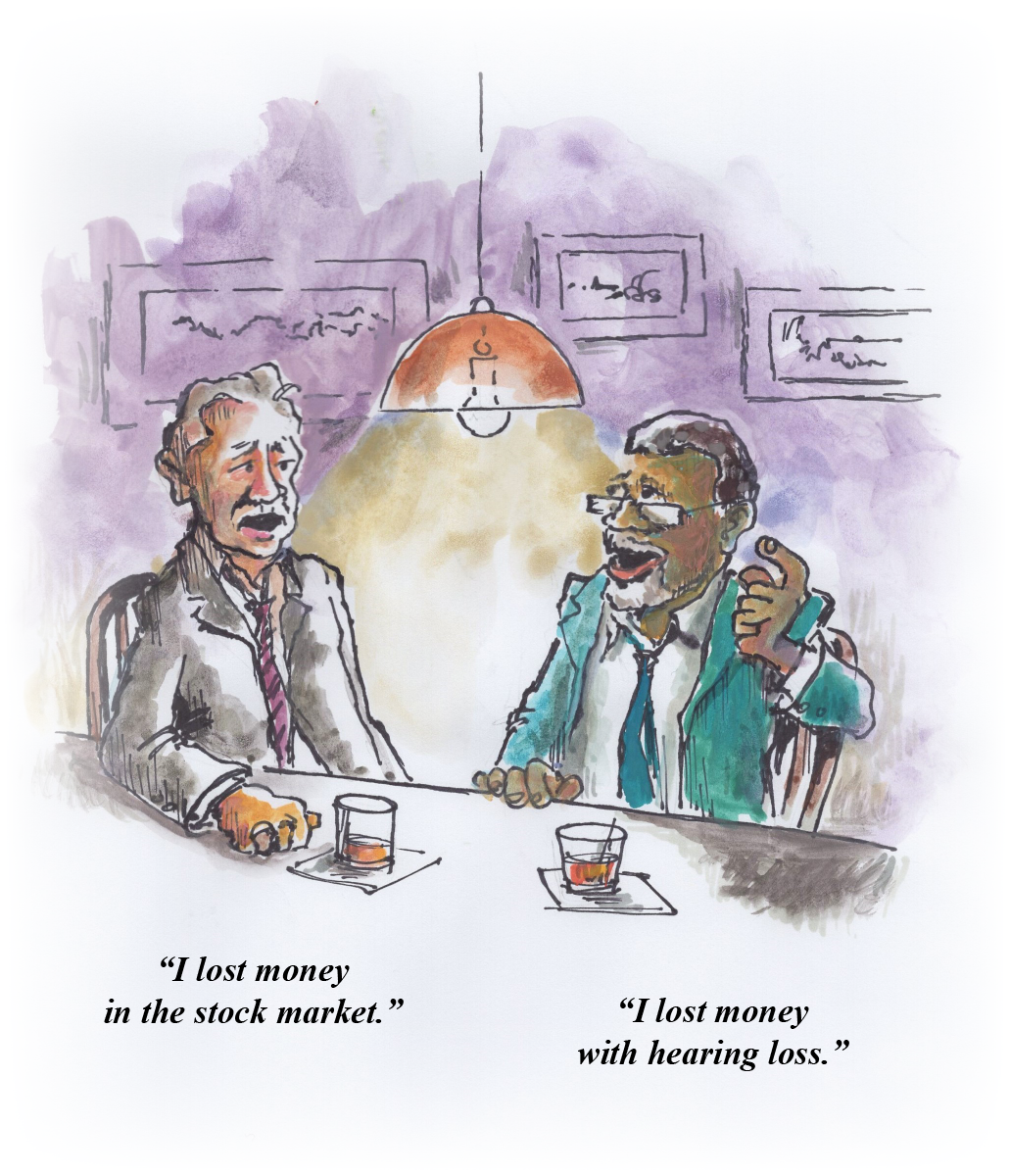
One economic analysis estimated that untreated hearing loss from all causes costs the United States approximately $100 billion each year in lost productivity associated with reduced earnings.
The same analysis estimated that workers with severe hearing loss may earn approximately $12,000 less per year than workers with mild hearing loss.
Hearing loss can have a substantial effect on a person’s professional, social and personal life. Because hearing loss affects a significant portion of the working age population, the economic impact can be considerable.
Protect Your Hearing at Work
If you work in a noisy environment, ask these important questions:
- Does your employer accurately measure workplace sound levels?
- Are you provided with appropriate hearing protection?
- Have you been shown how to wear your hearing protection correctly?
- Do you use your hearing protection consistently?
- Does your employer provide regular hearing tests?
- Do you report changes in hearing or ringing in your ears?
Make Hearing Protection a Daily Priority
If hearing protection is not provided in a noisy workplace, ask for it. If it is provided, make sure it fits correctly and is worn whenever hazardous noise is present.
Preventing hearing loss may benefit both your health and your financial future.
Good Humor, Healthy Hearing
While we take your hearing care seriously, a little laughter and learning can go a long way.

Solve the Crossword Online Download and Print the Crossword
Protect Your Hearing Wherever Life Takes You
Fireworks may be part of an annual celebration, but protecting your hearing should be a daily priority.
Hazardous noise is not limited to industrial workplaces. Concerts, lawn equipment, power tools, sporting events, busy streets, motorcycles and noisy restaurants can also reach harmful sound levels.
Limit your exposure to loud sounds, move farther away from the source and use appropriate hearing protection. A professional hearing evaluation can determine your type and degree of hearing loss and establish a baseline for monitoring future changes.
Periodic hearing tests allow us to track your hearing and provide trusted advice about preventing irreversible inner ear damage.
Are you regularly exposed to loud sounds at work or during recreational activities?
Schedule a professional hearing evaluation with Focus Hearing.
Contact Focus HearingSources:
United States Occupational Safety and Health Administration. Occupational Noise Exposure.
Neitzel RL, Swinburn TK, Hammer MS, Eisenberg D. Economic Impact of Hearing Loss and Reduction of Noise Induced Hearing Loss in the United States. Journal of Speech, Language and Hearing Research. 2017;60(1):182 to 189.
This information is provided for general educational purposes. Please speak with your physician or hearing care professional about questions concerning your individual hearing health.
Listen to Focus Hearing Podcasts
Explore conversations about hearing health, patient experiences and practical tips for better hearing.
 Watch this Focus Hearing podcast episode
 View another Focus Hearing educational episode
Visit the Focus Hearing Podcast Page
Visit Focus Hearing South
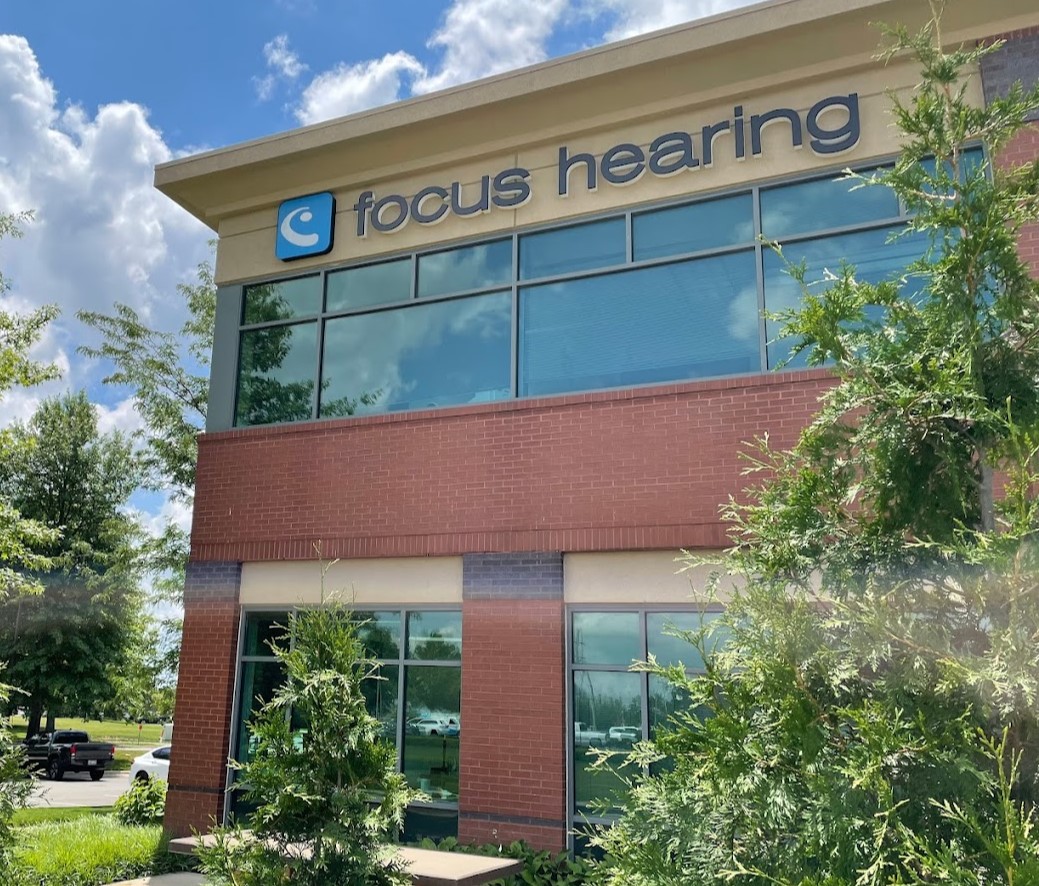
Focus Hearing has expanded with an additional location. Patients can expect the same personal attention and exceptional hearing care at both offices.
7500 West 160th Street, Suite 103
Stilwell, Kansas 66085
View the South Office on Google Maps

What Our Patients Say
“Shannon and the team at Focus Hearing are knowledgeable and very client oriented. They go out of their way to provide super service and support. I have dealt with other audiologists and staff. All were good, but none better than Focus. I highly recommend them.”
John P.
Visit Focus Hearing
Focus Hearing Quivira
10990 Quivira Road, Suite 120
Overland Park, Kansas 66210
Walk in service hours
Monday through Friday
10:00 a.m. to 3:00 p.m.
Focus Hearing South
7500 West 160th Street, Suite 103
Stilwell, Kansas 66085
Walk in service hours
Monday through Thursday
10:00 a.m. to 3:00 p.m.
Closed for lunch from 12:30 p.m. to 1:00 p.m.