


Noise-Induced Hearing Loss: Causes, Risks and Prevention
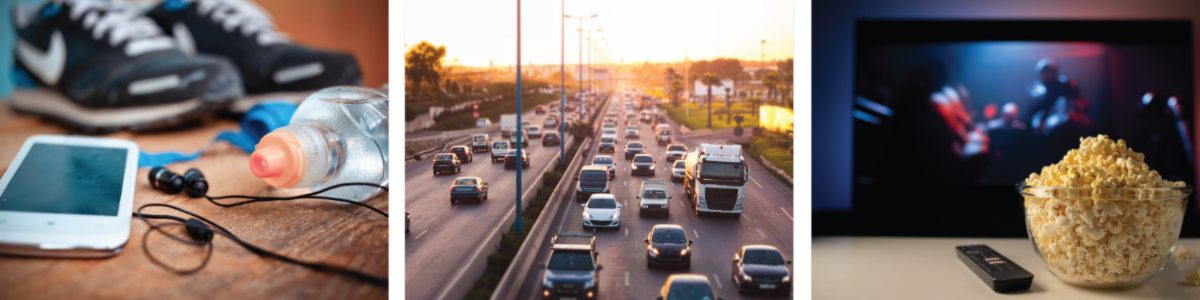
Noise-induced hearing loss (NIHL) doesn’t just happen at concerts or construction sites—it’s woven into life’s soundtrack. From morning pump-up music through earbuds to sirens during daily commutes and nightly relaxation while watching movies with loud surround sound, it all adds up. Although these routine moments may seem harmless, over time they can negatively impact your hearing health.
What Is Noise-Induced Hearing Loss?
NIHL happens when loud sounds damage your inner ear’s tiny hair cells—the sensors that send sound signals to your brain. With daily exposure to loud noises, this damage can happen suddenly or gradually. Once damaged, these hair cells do not regenerate, which can lead to a permanent reduction in hearing ability.

To better understand how this happens, imagine your hearing is like a fresh patch of summer grass. Walk across it once and it springs right back. But if you trample the same path daily—from backyard barbecues to mowing the lawn or chasing the kids—that spot gets worn down and eventually dies out.
Did You Know?
At least 10 million adults in the United States under age 70—and perhaps as many as 40 million—have hearing test results that suggest hearing loss in one or both ears from exposure to loud noise.
That number is striking, and many cases could have been prevented through better awareness. By teaching children and young adults how to protect their hearing now, we can help reduce their risk of long-term damage.
How Does Noise Affect Your Hearing?
Noise is measured in decibels, abbreviated as dB or dBA. Decibels represent the relative loudness of sounds as perceived by the human ear.
The risk of noise-induced hearing loss is primarily affected by:
- How loud the noise is
- How long you are exposed to the noise
- How close you are to the source of the sound
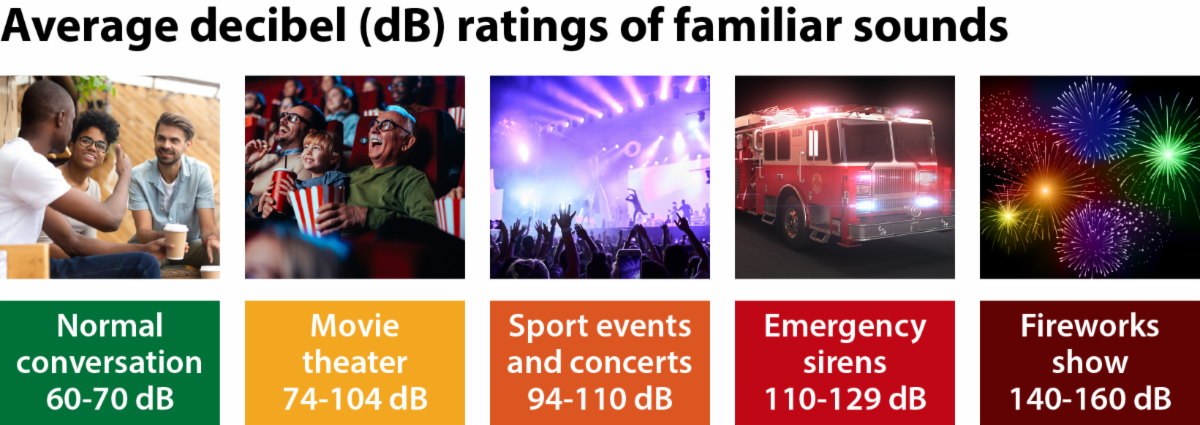
The tiny hair cells in your inner ear are especially sensitive. Once they are damaged by repeated exposure to loud sounds, they do not grow back.
From fireworks and concerts to lawn equipment and pool parties with booming speakers, summer is full of sounds that can take a toll on your hearing.
Remember: loud noise damage often builds over time.
Lower the volume, move away from excessive noise and wear earplugs or other hearing protection when you cannot avoid a loud environment.
“An ounce of prevention is worth a pound of cure.”
— Benjamin Franklin
Six Ways to Protect Your Hearing
Your daily soundtrack should not cost you your hearing. The good news is that noise-induced hearing loss can be prevented by making mindful choices.
 Wear hearing protection
 Turn down the volume
 Check your hearing regularly
 Limit exposure times
 Monitor noise with apps
 Advocate for noise safety
Noise Exposure in the Workplace
When considering how loud a sound is and how long you are exposed to it, it is also important to consider where the noise is happening. For many people, that is in the workplace.
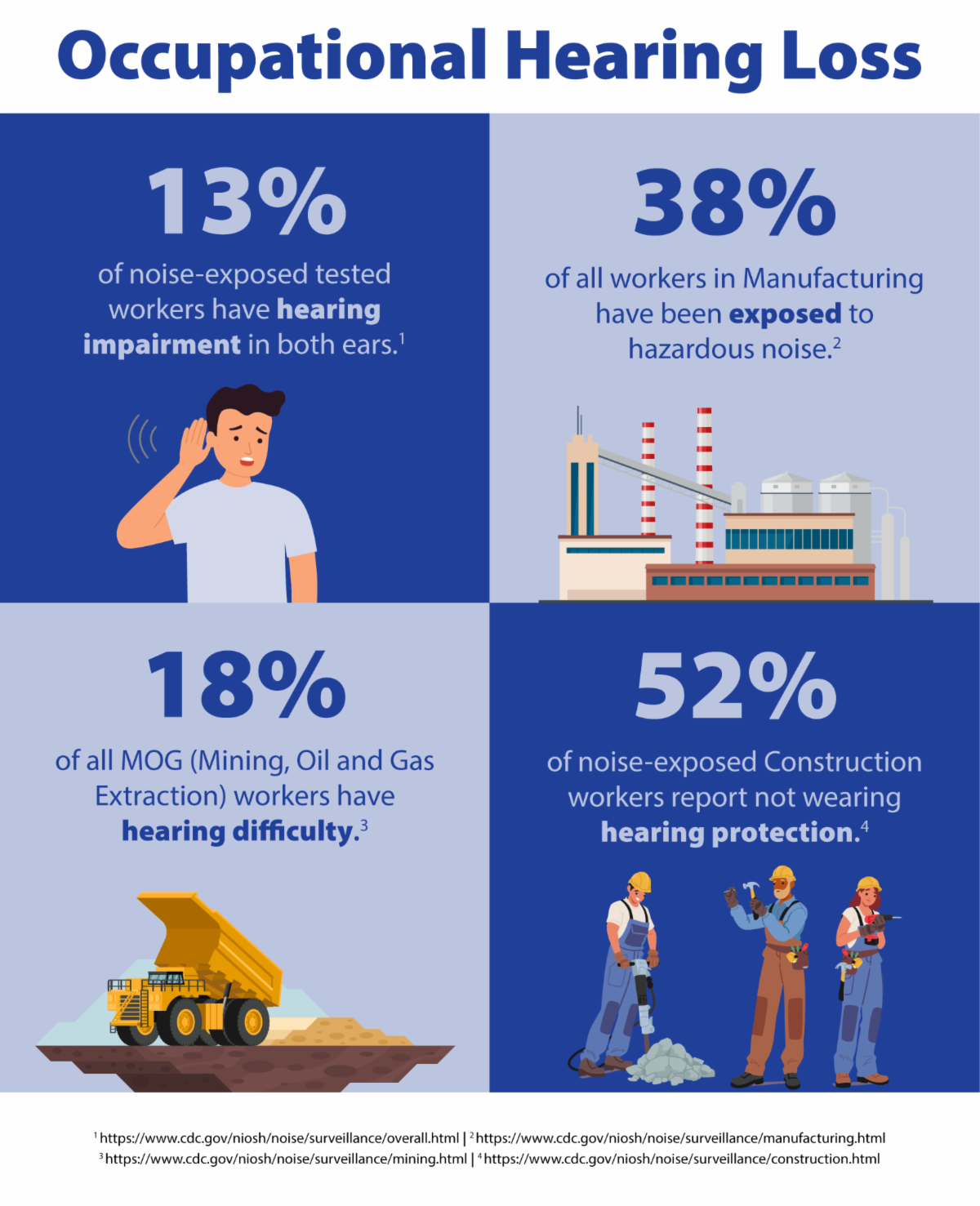
View the workplace noise guide at full size
Curious How Loud Is Too Loud?
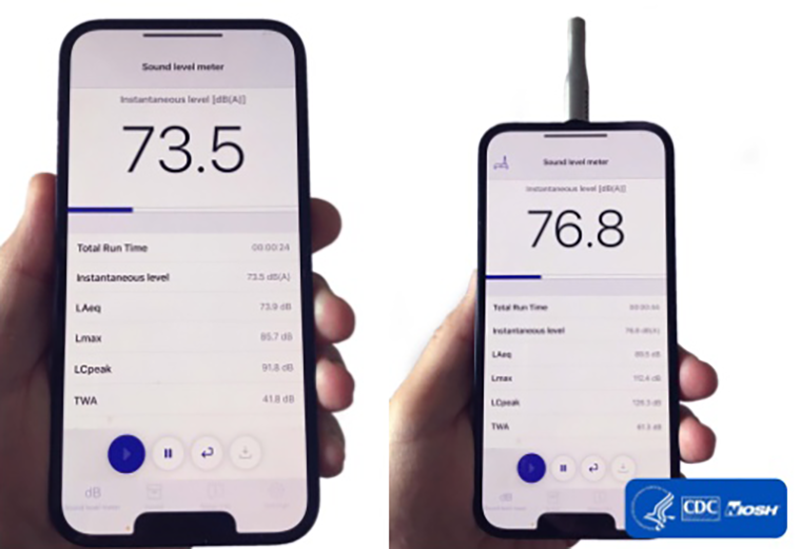
The National Institute for Occupational Safety and Health Sound Level Meter App can measure how loud your surroundings are in real time and help identify whether you may be in a potentially hazardous noise environment.
Understanding the importance of preventing NIHL can empower you to protect yourself and your loved ones. At home, on the job or during leisure time, thoughtfully reducing exposure to loud noises can make a meaningful difference.
We’re here to help. With evidence-based hearing tests, Focus Hearing can assess the type and degree of hearing loss you may have. By monitoring changes through periodic checkups and following our sound advice, you can stay Happy to Hear for years to come.
🎧 Tune In to Our Podcast!
We’re excited to share our podcast, where we dive into the latest in hearing health, patient stories and tips for better hearing.

Meet the Oticon Zeal
Meet the Oticon Zeal, the hearing aid designed to work quietly in the background so you can stay fully present in the moments that matter most.

Focus Hearing Is Beginning an Exciting New Chapter
After 50 incredible years of serving our community, Focus Hearing is turning the page to an exciting new chapter! 🎉
We’re moving into a brand-new, bigger, brighter and fresher office—at the same convenient address you already know and trust:
Focus Hearing—Quivira Road
10990 Quivira Road, Suite 120
Overland Park, KS 66210
Walk-In Hours:
Monday–Friday, 10:00 a.m.–3:00 p.m.
Same location. New space. Elevated experience. Come in through the front doors and turn left. We are located at the end of the hallway. ✨
And don’t forget—we’re still proudly serving you at our South location:
Focus Hearing South
7500 W. 160th Street, Suite 103
Overland Park, KS 66085
Walk-In Hours:
Monday–Thursday, 10:00 a.m.–3:00 p.m.
Closed for lunch from 12:30–1:00 p.m.
Here’s to 50 years of better hearing and an even brighter future ahead! 🩵👂


Our Patients Say It Best
“I have had nothing but positive experiences at Focus Hearing. The audiologist is skilled and compassionate and the office personnel are absolutely top-notch! Friendly, warm, engaging! Sometimes I stop in just to chat! If you have hearing needs, this is the place to go!”
— Nancy B.
Visit Focus Hearing
Quivira Road
10990 Quivira Road
Suite 120
Overland Park, KS 66210
Walk-In Service Hours
Monday–Friday
10:00 a.m.–3:00 p.m.
Overland Park South
7500 W. 160th Street
Suite 103
Overland Park, KS 66085
Walk-In Service Hours
Monday–Thursday
10:00 a.m.–3:00 p.m.
Closed for lunch 12:30–1:00 p.m.


The information contained in this article is provided for general educational purposes. For questions about your individual hearing health, please speak with your hearing healthcare provider.
© 2026 Focus Hearing. All rights reserved.