

To keep safer hearing in mind for you and your loved ones, we proactively spread the word that Noise-Induced Hearing Loss or NIHL, is the ONLY type of hearing loss which is highly preventable.

How to Prevent Noise Induced Hearing Loss
Summer brings more time outdoors, including nature walks, poolside activities, beach trips and community celebrations.
Most people understand the value of protecting their skin from harmful sunlight. Hearing deserves similar protection from harmful sound.
Fourth of July celebrations, concerts, power tools and lawn equipment have something in common. Each can create sound levels loud enough to damage hearing.
Noise induced hearing loss is the only major type of permanent hearing loss that is highly preventable.

How Common Is Noise Induced Hearing Loss?
The National Institute on Deafness and Other Communication Disorders has reported that millions of American adults show hearing test patterns suggesting damage from loud noise.
Based on federal hearing tests and participant interviews, at least 10 million adults under age 70 may have hearing damage associated with loud noise. Some estimates suggest the number could be as high as 40 million.
Researchers have also estimated that a significant percentage of teenagers show hearing test patterns consistent with noise exposure.
Noise damage can develop gradually. A person may not recognize the change until understanding conversations becomes more difficult.

Safer Soundscapes Support Sustainable Hearing
A soundscape is the acoustic environment people experience in a particular place and at a particular time.
A soundscape includes more than the physical volume of sound. It also includes how people perceive and respond to the sounds around them.
Homes, workplaces, restaurants, parks, schools, concerts and city streets each have distinct soundscapes.
Questions to Ask About Your Soundscape
- How loud is the environment?
- How long will I remain exposed?
- Can I move farther away from the sound source?
- Can the volume be reduced?
- Should I use hearing protection?
- Can I take breaks in a quieter area?
Learn More About Environmental Soundscapes
Understanding Decibels and Exposure Time
Sound levels are measured in decibels, commonly abbreviated dB. As the decibel level rises, the amount of time someone can safely remain exposed generally decreases.
Noise Risk Depends on Two Main Factors
- How loud the sound is.
- How long the exposure lasts.
A single extremely loud sound, such as an explosion or firework at close range, can cause immediate damage. Repeated exposure to moderately loud sound can create gradual damage over time.
Research Identifies Noise as a Public Health Concern
Research published in The Lancet described noise induced hearing loss as a public health problem.
Although some forms of occupational noise exposure have decreased, social and recreational noise exposure among young people has increased.
Noise exposure can begin during childhood and accumulate throughout life. All age groups may be affected.
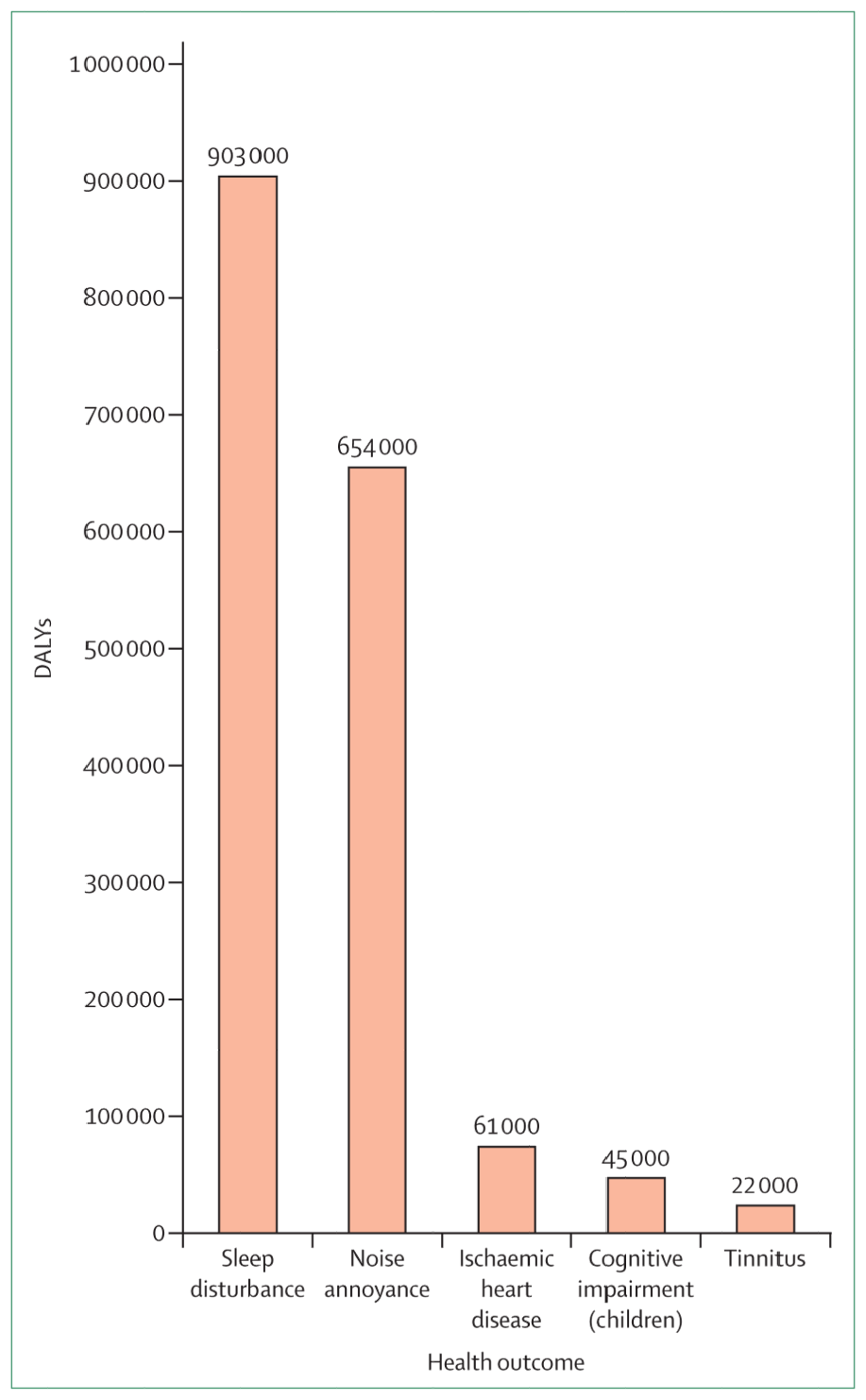
Environmental noise has also been studied for possible effects involving:
- Sleep quality.
- Stress and annoyance.
- Concentration and learning.
- Cognitive performance in children.
- Cardiovascular health.
View the Noise Research Information at Full Size
Common Sources of Hazardous Noise
- Fireworks and firearms.
- Concerts and amplified music.
- Personal listening devices at high volume.
- Lawn mowers, leaf blowers and power tools.
- Motorcycles and recreational vehicles.
- Construction and industrial equipment.
- Sporting events and crowded entertainment venues.
- Noisy restaurants and workplaces.
Ringing in the ears, muffled hearing or difficulty understanding speech after leaving a loud environment may indicate that the exposure was excessive.
How to Protect Your Hearing
- Reduce the volume whenever possible.
- Move farther away from speakers, fireworks or equipment.
- Limit the amount of time spent in loud environments.
- Take listening breaks in quieter areas.
- Use properly fitted earplugs or protective earmuffs.
- Choose custom hearing protection for frequent exposure.
- Teach children and teenagers safe listening habits.
- Schedule periodic hearing evaluations.
Quiet Can Be Helpful, but Isolation Is Not
Quiet environments can give the auditory system a needed break after noise exposure. However, avoiding ordinary sounds and social activities is not the goal.
Healthy hearing supports communication, relationships and access to the sounds of daily life. The goal is to reduce hazardous noise while continuing to enjoy safe and meaningful sound.
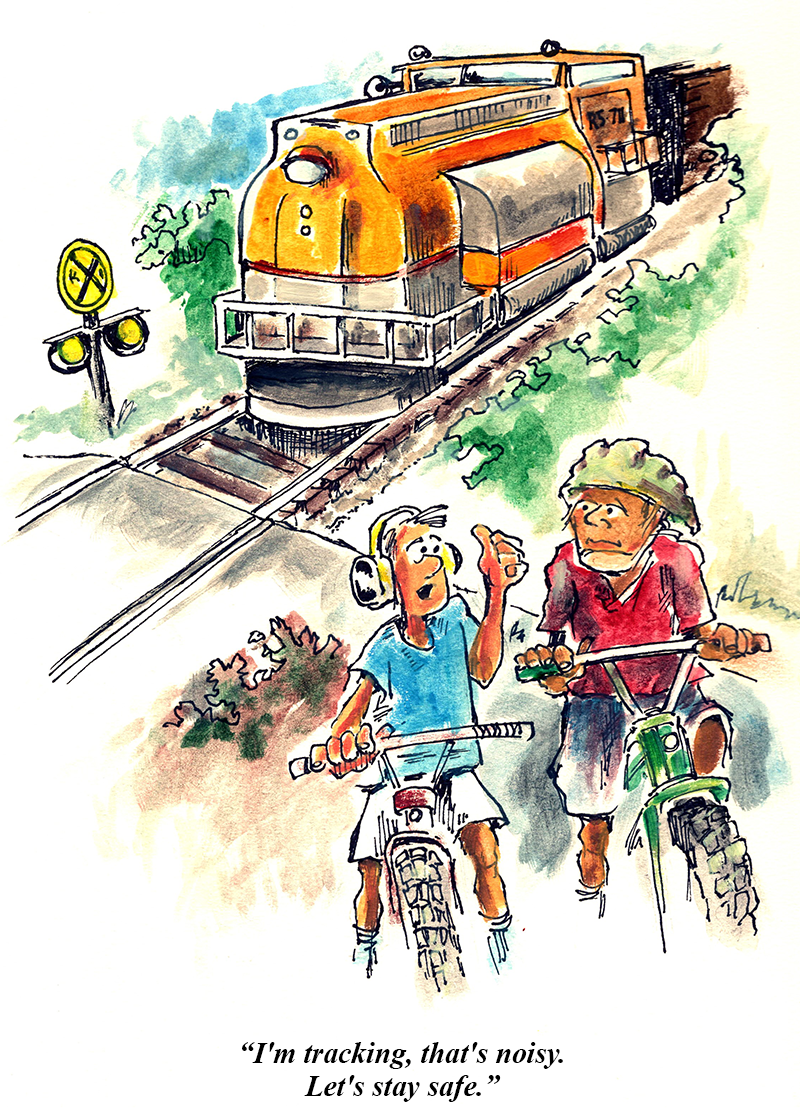
Good Humor, Healthy Hearing
While we take your hearing care seriously, a little laughter goes a long way.
Do Not Wait to Protect Your Ears
Noise induced damage to the inner ear’s sensory hair cells is permanent. Prevention should begin before a noticeable hearing problem develops.
At home, work and play, limit your exposure to hazardous sound. Professional hearing testing can establish a baseline, identify existing damage and monitor changes over time.
Focus Hearing can also provide guidance about safer listening habits and hearing protection for work, recreation, concerts, equipment and other noisy activities.
Are loud environments putting your hearing at risk?
Schedule a professional hearing evaluation with Focus Hearing.
Contact Focus HearingSources:
National Institute on Deafness and Other Communication Disorders. Noise Induced Hearing Loss.
United Nations Environment Programme. Frontiers 2022: Noise, Blazes and Mismatches.
Basner M, Babisch W, Davis A and colleagues. Auditory and nonauditory effects of noise on health. The Lancet. 2014;383:1325 to 1332.
This information is provided for general educational purposes. Please speak with a physician or hearing care professional about sudden hearing loss, persistent tinnitus, dizziness or other individual health concerns.
Visit Focus Hearing South
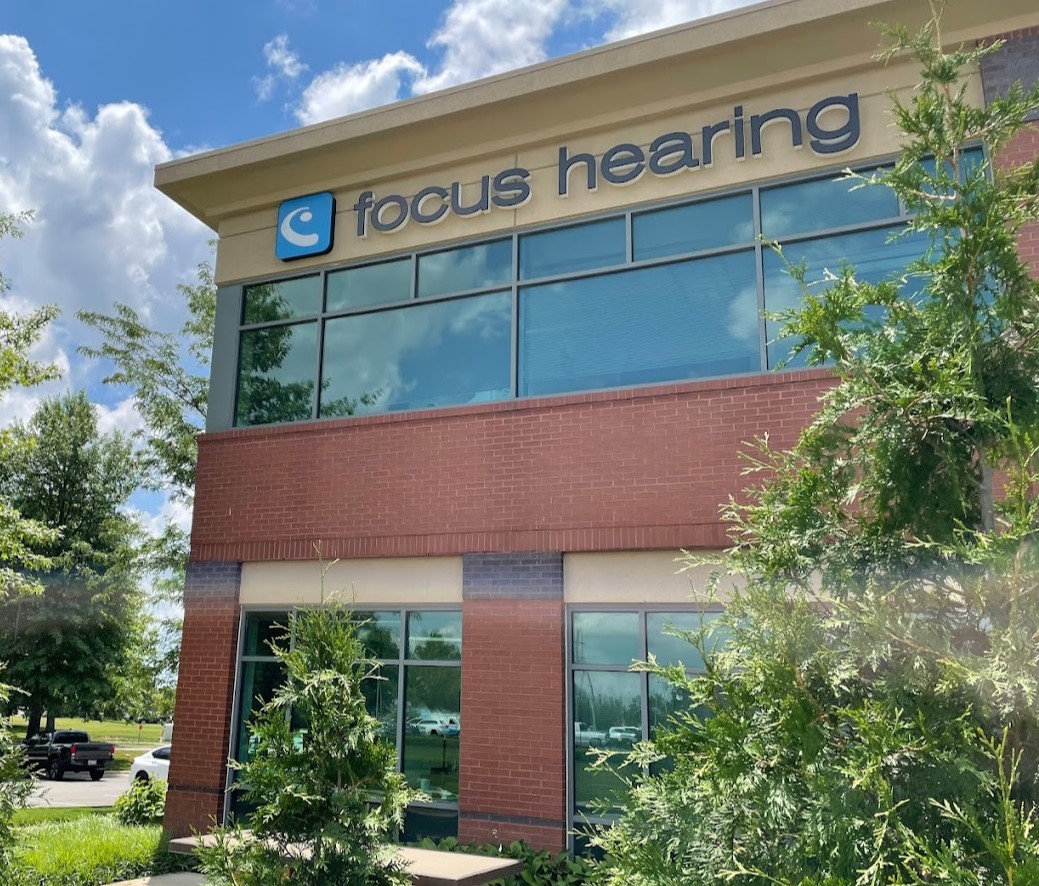
Focus Hearing has expanded with an additional location. Patients can expect the same personal attention and exceptional hearing care at both offices.
7500 West 160th Street, Suite 103
Stilwell, Kansas 66085
View the South Office on Google Maps

What Our Patients Say
“Great service as always! I went in today with my father because he was having trouble with his hearing aids. Dawn provided great service as she cleaned the hearing aids and gave us recommendations for better performance. Very personable and friendly. I highly recommend these folks based on their service. Thank you very much!”
Dave R.
Visit Focus Hearing
Focus Hearing Quivira
10990 Quivira Road, Suite 120
Overland Park, Kansas 66210
Walk in service hours
Monday through Friday
10:00 a.m. to 3:00 p.m.
Focus Hearing South
7500 West 160th Street, Suite 103
Stilwell, Kansas 66085
Walk in service hours
Monday through Friday
10:00 a.m. to 3:00 p.m.