

While physical and mental wellness discussions prevail, focusing more on Communication Wellness is sensible. Especially when social media’s distractions surround us, personal connections should (ideally…) take on deeper meaning. At home, work and play we should enjoy interacting with loved ones, colleagues and friends.

Hearing Loss, Depression and the Importance of Social Connection
Wellness can take many forms. Physical wellness may involve exercise, daily steps or visits to the gym. Mental wellness may involve emotional health, confidence and a positive outlook.
People often work with trainers, physical therapists, counselors, psychologists or yoga instructors to improve their quality of life. Each wellness path is personal.
Communication wellness deserves a place in that conversation too.

What Is Communication Wellness?
Communication wellness is the ability to connect with other people, understand important information and participate confidently in everyday conversations.
At home, work and play, healthy hearing supports interactions with family members, friends and colleagues. It helps with telephone calls, video meetings, workplace discussions and time spent outdoors.
Clear communication is also important during medical appointments. Patients need to hear and understand their healthcare professionals so they can ask questions, make informed decisions and follow treatment instructions.
Possible Signs of Communication Difficulty
- Frequently asking people to repeat themselves.
- Feeling exhausted after conversations.
- Having trouble understanding speech in background noise.
- Avoiding telephone calls, meetings or social events.
- Misunderstanding medical or workplace instructions.
- Feeling disconnected from family and friends.
Loneliness Is a Public Health Concern
People who struggle to communicate may begin to feel lonely or isolated. The United States Surgeon General has identified loneliness and social disconnection as important public health concerns.
Former Surgeon General Vivek Murthy explored this subject in his book Together, which examines the healing power of human connection.
Research and public health guidance emphasize that strong relationships can support mental, emotional and physical health.
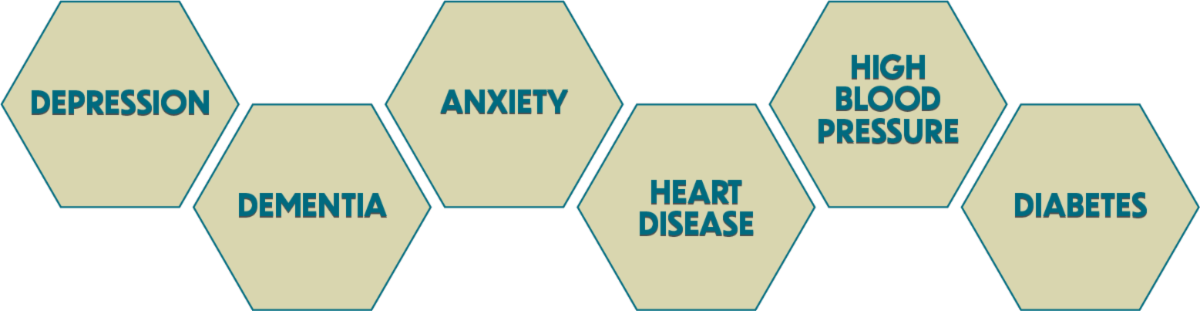
Mental Health Affects Millions of People
Centers for Disease Control and Prevention data has reported that millions of adults experience worry, nervousness, anxiety or depression. Millions also seek counseling from mental health professionals.
These experiences are common, and professional support is available. Mental health concerns should never be treated as a personal failure.

What if something in everyday life could help transform our health and well being?
One important answer is social connection. Social connection involves the number, variety and quality of our relationships and interactions, along with whether those relationships meet our emotional and practical needs.
Like a garden, relationships require attention and care. Strong connections can help create healthier, more resilient individuals and communities.
How Hearing Loss May Relate to Depression
Healthy hearing supports conversation and social participation. When hearing becomes difficult, some people begin withdrawing from activities they once enjoyed.
A systematic review involving 35 studies and more than 147,000 participants found that hearing loss was associated with 1.47 times greater odds of depression among older adults.
This represents an increase of nearly 50 percent in the odds of experiencing depression.
Older adults with hearing loss may be more likely to experience:
- Emotional loneliness.
- Social isolation.
- Difficulty completing daily activities.
- Increased mental effort during conversations.
- Reduced confidence in social settings.
- Changes in cognitive function.
Hearing loss may add to existing social and functional challenges associated with aging. Addressing communication difficulties may help a person remain more engaged with family, friends and community activities.
Better Hearing Supports Social Connection
Hearing care is not a treatment for depression, but better access to conversation may reduce some of the frustration and isolation caused by untreated hearing loss.
A professional hearing evaluation can identify whether hearing difficulties are contributing to communication problems. Personalized treatment may help patients participate more confidently in conversations and activities.
Ways to Support Communication Wellness
- Schedule regular hearing evaluations.
- Address hearing loss before social withdrawal becomes a habit.
- Use properly fitted hearing technology when recommended.
- Ask conversation partners to face you and reduce background noise.
- Stay involved in meaningful activities and relationships.
- Speak with a mental health professional when sadness, anxiety or isolation persists.
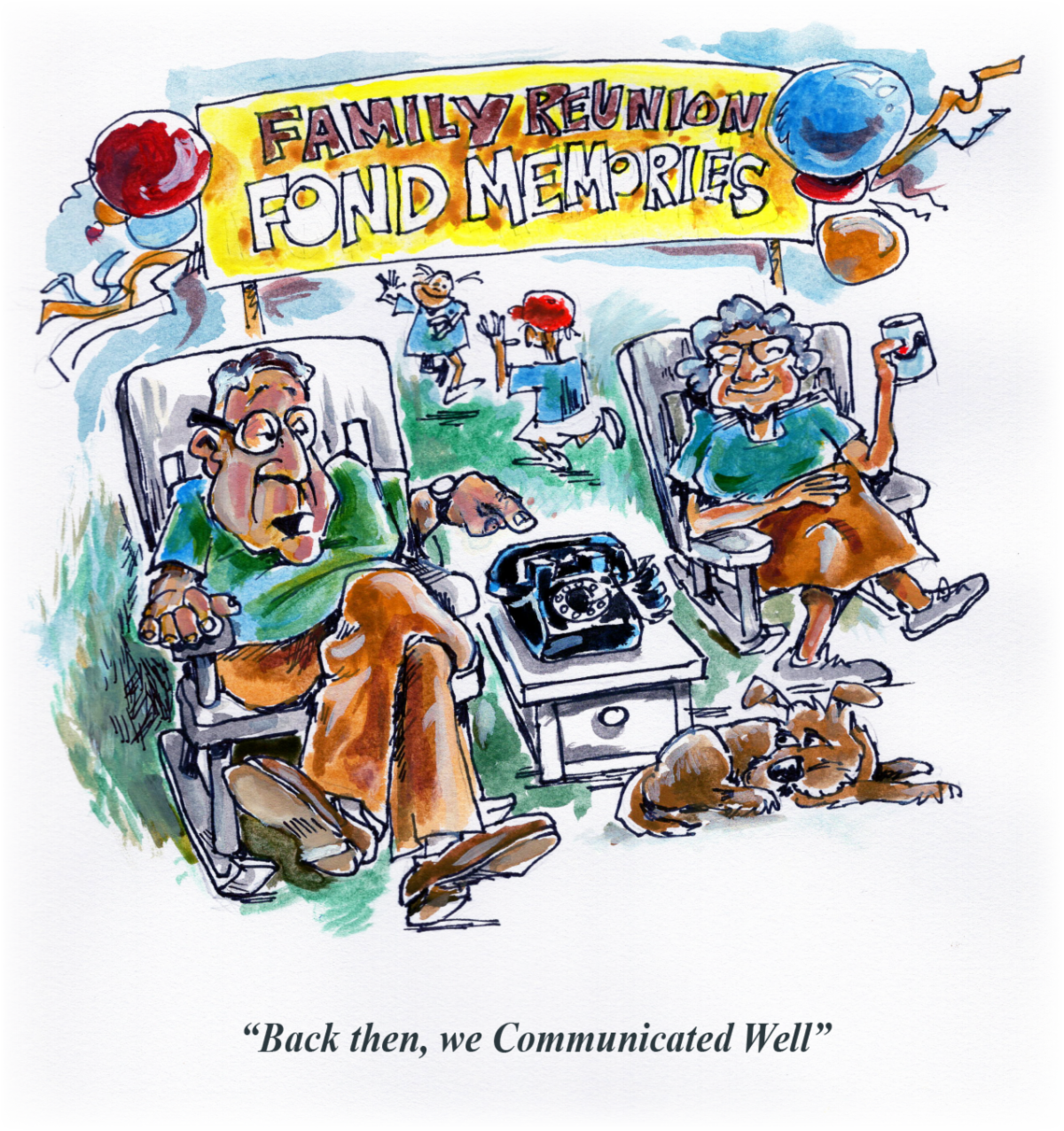
Good Humor, Healthy Hearing
While we take your hearing care seriously, a little laughter goes a long way.
Make Whole Person Care a Priority
Regular visits with your primary care physician and other medical professionals are important parts of whole person care.
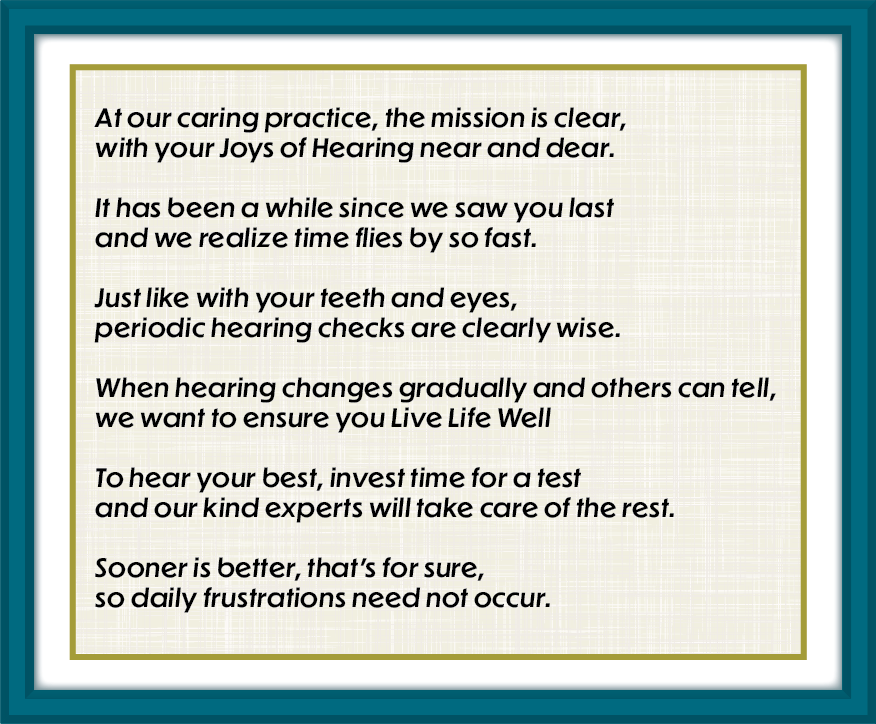
Because communication wellness supports social connection, hearing care deserves attention too. Encourage family members and friends who are struggling to hear to schedule a professional evaluation.
Are hearing difficulties making you feel disconnected from conversations?
Schedule a professional hearing evaluation with Focus Hearing.
Contact Focus HearingSources:
Centers for Disease Control and Prevention. Mental Health and Depression Data.
United States Surgeon General. Social Connection and Community.
Lawrence BJ, Jayakody DMP, Bennett RJ, Eikelboom RH, Gasson N, Friedland PL. Hearing Loss and Depression in Older Adults. The Gerontologist. 2020;60(3):e137 to e154.
This information is provided for general educational purposes. Hearing care does not diagnose or treat depression. Please speak with a qualified medical or mental health professional about persistent sadness, anxiety, loneliness or other mental health concerns.
Visit Focus Hearing South
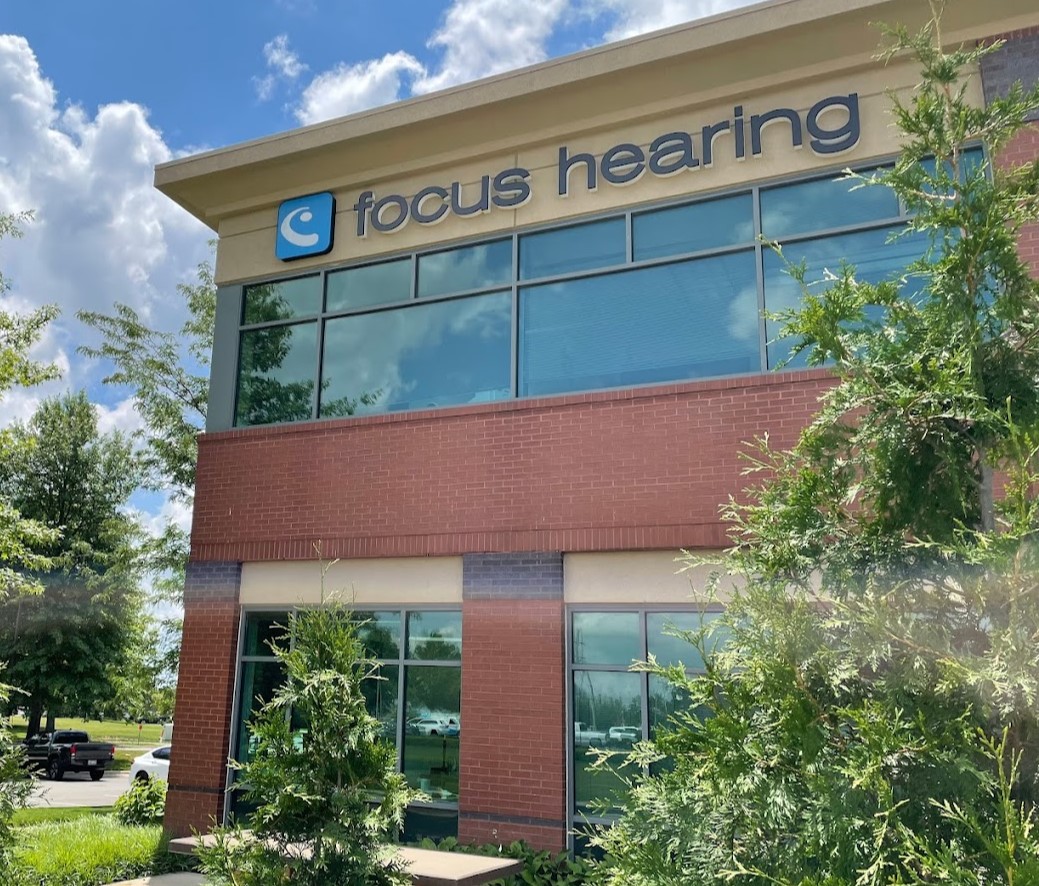
Focus Hearing has expanded with an additional location. Patients can expect the same personal attention and exceptional hearing care at both offices.
7500 West 160th Street, Suite 103
Stilwell, Kansas 66085
View the South Office on Google Maps

What Our Patients Say
“Excellent service from all staff members with every interaction we have had. I thought I lost one hearing aid and ordered a replacement. When I found the missing hearing aid, Dawn was able to cancel the order and quickly reimburse me. Incidentally, I am very pleased with the hearing aids and service.”
Ginny G.
Visit Focus Hearing
Focus Hearing Quivira
10990 Quivira Road, Suite 120
Overland Park, Kansas 66210
Monday through Friday
10:00 a.m. to 3:00 p.m.
Focus Hearing South
7500 West 160th Street, Suite 103
Stilwell, Kansas 66085
Monday through Thursday
10:00 a.m. to 3:00 p.m.
Closed for lunch from 12:30 p.m. to 1:00 p.m.