

Our Practice reputably informs you about how hearing loss relates to various medical conditions.

Hearing Loss, Dementia and the Ear-to-Brain Connection
Focus Hearing regularly provides information about how hearing loss relates to different medical conditions. Patients and their families are especially interested in understanding why auditory abilities may influence cognitive function.
While mainstream media often makes brief mentions of potential dementia treatments, our hearing professionals remain committed to providing sound, evidence-based guidance. What we discover through continuing education and reputable research, you deserve to know.

Each June, Alzheimer’s & Brain Awareness Month renews our quest to understand why the ear-to-brain connection is a vital part of overall wellness.
Let’s learn together.
What Is the Difference Between Dementia and Alzheimer’s Disease?
If distinguishing between dementia and Alzheimer’s disease seems confusing, you are not alone. Although the terms are related, they do not mean exactly the same thing.
Dementia
Dementia is an umbrella term describing a group of chronic symptoms that can include challenges with:
- Memory
- Language and problem-solving
- Concentration
- Expressing thoughts
- Impulse control and judgment
Alzheimer’s Disease
Alzheimer’s is a brain disease recognized as the most common cause of dementia symptoms. Like the heart or kidneys, the brain is an organ.
As Alzheimer’s gradually develops, nerve cells in the brain can become damaged or destroyed in ways that diminish essential human abilities such as thinking, communicating and walking.
Think of the Brain as a Bustling City
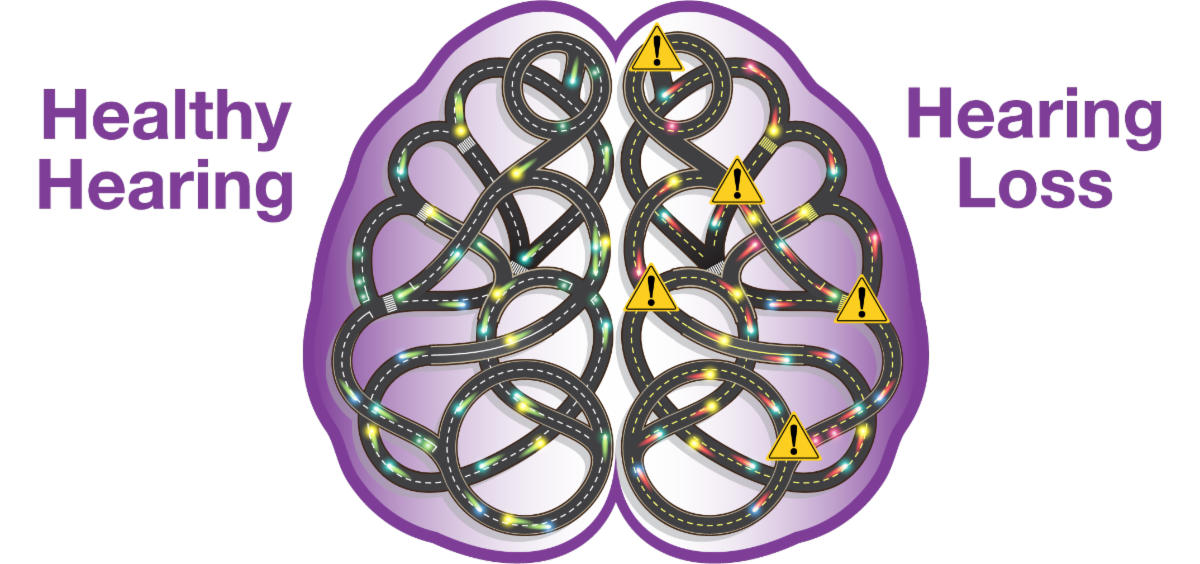
Consider your brain a bustling city, with neural pathways functioning like busy highways that carry a constant flow of sensory information.
When hearing loss occurs, it can be compared to closing major roads. Information requires alternate routes, potentially creating additional strain. When auditory signals do not flow smoothly, the brain may need to work harder to understand the world around it.
Alzheimer’s Disease and Dementia

Alzheimer’s is the most common cause of dementia and is estimated to account for approximately 60% to 80% of dementia cases.
Alzheimer’s-related brain changes may begin many years before noticeable symptoms. The brain can initially compensate for these changes, with cognitive difficulties becoming apparent when that compensation is no longer sufficient.
Although there is currently no proven way to completely prevent or cure Alzheimer’s disease, researchers have identified several modifiable dementia risk factors. Addressing these factors may delay symptoms and support more years of good health.
Read the Alzheimer’s Association’s 2026 Alzheimer’s Disease Facts and Figures report.
Fourteen Modifiable Dementia Risk Factors
Dementia research is complex, making it especially important to rely on well-respected sources. The original 2017 Lancet Commission on Dementia Prevention, Intervention and Care brought together experts who analyzed decades of evidence.
As the science has evolved, subsequent reports have been published, including the 2024 Lancet Commission report. The report identified 14 potentially modifiable risk factors associated with dementia. Addressing these factors throughout life could potentially prevent or delay a substantial percentage of dementia cases worldwide.
- Less education
- Hearing loss
- High LDL cholesterol
- Depression
- Traumatic brain injury
- Physical inactivity
- Diabetes
- Smoking
- High blood pressure
- Obesity
- Excessive alcohol use
- Social isolation
- Air pollution
- Untreated vision loss
Hearing loss was identified as an especially important potentially modifiable risk factor, along with several related health conditions.
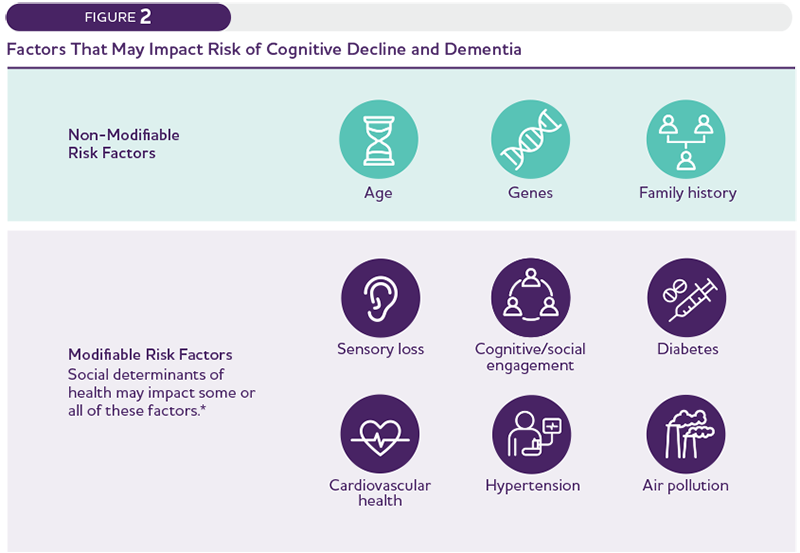
View the dementia risk-factor graphic at full size
Chart source: Alzheimer’s Association, 2026 Alzheimer’s Disease Facts and Figures.
Why Dual Sensory Wellness Matters
Vision loss was one of three additional risk factors included in the 2024 Lancet Commission report, emphasizing another reason why both hearing and vision deserve attention as part of healthy aging.
The report explains that reducing dementia risks may increase the number of healthy years a person experiences. Prevention efforts should begin as early as possible and continue throughout life.
Hearing-Related Research Highlights
The Lancet Commission recommends making hearing aids accessible to people with hearing loss and reducing harmful noise exposure that can contribute to hearing damage.
Why does hearing care matter?
- Hearing loss affects a significant percentage of people worldwide.
- Occupational noise, environmental noise and untreated infections may contribute to hearing difficulties.
- Evidence connecting hearing treatment with reduced dementia risk has strengthened.
- Hearing aid use may be particularly helpful for people who have hearing loss along with other dementia risk factors.
- Several studies have reported that greater hearing-loss severity is associated with greater dementia risk.

Now that you know, may we see you soon? From research to rejuvenation, your family can count on Focus Hearing for evidence-based hearing care.
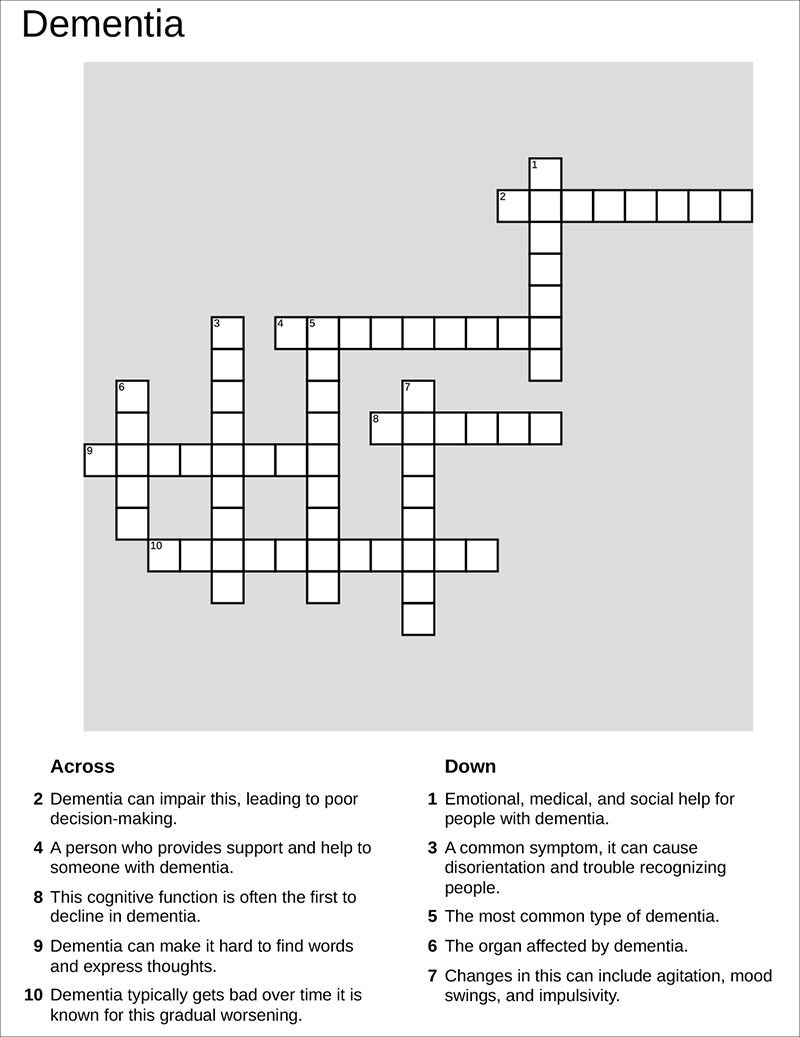
Test Your Knowledge About Dementia
Test your knowledge about dementia and have some fun while you’re at it. Challenge yourself or share the puzzle with a friend.
How many can you get right?
🎧 Tune In to Our Podcast!
We’re excited to share our podcast, where we explore the latest in hearing health, patient stories and practical tips for better hearing.


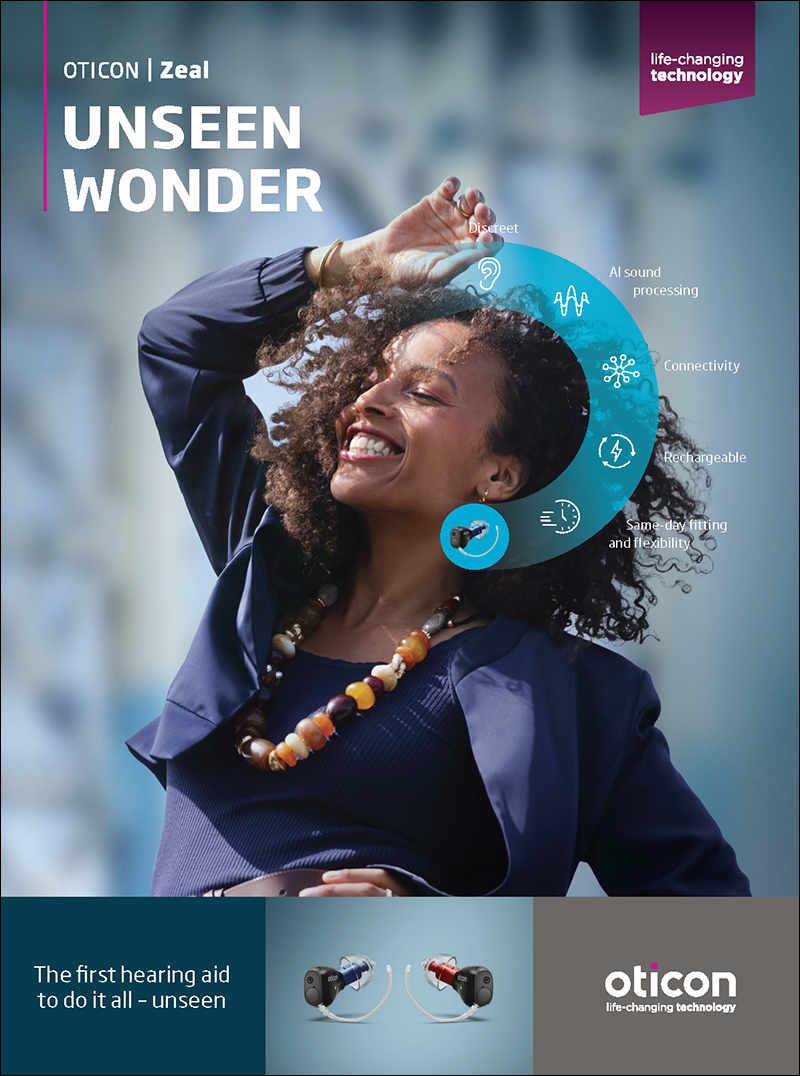
Meet the Oticon Zeal
Meet the Oticon Zeal, the hearing aid designed to work quietly in the background so you can stay fully present in the moments that matter most.
Focus Hearing Is Beginning an Exciting New Chapter
After 50 incredible years of serving our community, Focus Hearing is turning the page to an exciting new chapter! 🎉
We’re moving into a brand-new, bigger, brighter and fresher office—at the same convenient address you already know and trust.
Focus Hearing—Quivira Road
10990 Quivira Road, Suite 120
Overland Park, KS 66210
Walk-In Hours:
Monday–Friday, 10:00 a.m.–3:00 p.m.
Same location. New space. Elevated experience. Come through the front doors and turn left. We are located at the end of the hallway. ✨
And don’t forget—we’re still proudly serving you at our South location:
Focus Hearing South
7500 W. 160th Street, Suite 103
Overland Park, KS 66085
Walk-In Hours:
Monday–Thursday, 10:00 a.m.–3:00 p.m.
Closed for lunch from 12:30–1:00 p.m.
Here’s to 50 years of better hearing and an even brighter future ahead! 🩵👂


Our Patients Say It Best
“My husband has had fantastic service and customer support from Focus Hearing. Any problems or questions with his hearing aids have been addressed and solved in a friendly, professional manner.”
— Carole M.
Visit Focus Hearing
Quivira Road
10990 Quivira Road
Suite 120
Overland Park, KS 66210
Walk-In Service Hours
Monday–Friday
10:00 a.m.–3:00 p.m.
Overland Park South
7500 W. 160th Street
Suite 103
Overland Park, KS 66085
Walk-In Service Hours
Monday–Thursday
10:00 a.m.–3:00 p.m.
Closed for lunch 12:30–1:00 p.m.
Research Sources
- Alzheimer’s Association: 2026 Alzheimer’s Disease Facts and Figures
- 2024 Lancet Commission Report on Dementia Prevention, Intervention and Care
- Global hearing-loss research published in The Lancet
- Hearing impairment and dementia-risk research
- Hearing loss and incident dementia research
- Hearing loss and dementia evidence review
- Hearing ability and cognitive-risk research


The information in this article is provided for general educational purposes and is not a substitute for individualized medical advice, diagnosis or treatment. Please speak with your physician or hearing healthcare provider about your individual health concerns.
© 2026 Focus Hearing. All rights reserved.