

“Although research on the role of hearing loss on dementia risk initiated over 40 years ago, recent surge in the evidence supporting adverse outcomes across health and care among older adults with hearing loss has come to the attention of patients and their families, clinicians, and policy makers.“

Hearing Loss and Cognitive Decline
Olympic athletes spend years training their bodies and minds to perform at the highest level. Whether they compete in swimming, gymnastics, archery, wrestling or skateboarding, every participant demonstrates the value of preparation and consistent effort.
Watching athletes exercise their bodies gives us an opportunity to think about exercising our minds. Healthy hearing helps the brain receive and process the sounds that keep us connected with conversations, activities and the world around us.

What Research Says About Hearing and Brain Health
Researchers have studied the relationship between hearing loss and dementia risk for more than 40 years. Recent evidence has drawn increased attention from patients, families, clinicians and public health leaders.
As the number of older adults grows, addressing the health and financial effects associated with hearing loss will require cooperation among professionals from several healthcare disciplines.
Hearing loss does not mean that a person will develop dementia. However, untreated hearing loss may contribute to challenges that affect communication, social activity, cognitive effort and quality of life.
Read the Hearing Loss and Cognition Research
Peak Performance Involves the Body and Mind
Peak performance can describe an Olympic athlete, an experienced pilot, a skilled surgeon or a talented craftsperson. In every case, strong performance depends on caring for both the body and mind.
Personal improvement requires motivation, healthy choices and consistent action. Several body systems contribute to physical performance:
- The cardiovascular system circulates blood and oxygen throughout the body.
- The muscular system provides strength, stability and movement.
- The respiratory system supports breathing and oxygen exchange.
Consider the daily choices that support these systems. Are regular exercise routines part of your schedule? Are you building strength? Are you staying active and monitoring your progress?
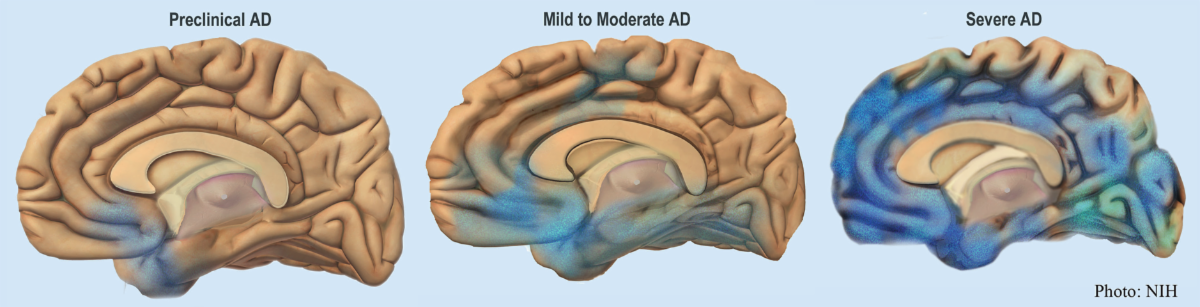
The Nervous System Connects the Senses With the Brain
The nervous system collects, transfers and processes information. It includes the brain, spinal cord, nerves and sensory systems involving the tongue, nose, skin, eyes and ears.
Eye care professionals help people protect and improve their vision. Hearing care professionals perform a similar role by evaluating auditory function and recommending personalized solutions that help people hear and communicate more effectively.
Throughout life, our bodies and abilities develop, evolve and change. Cognitive function is one important example.
What Is Cognitive Function?
Cognitive function includes mental abilities such as:
- Perception and awareness.
- Memory.
- Language and communication.
- Learning.
- Problem solving.
- Reasoning and abstract thinking.
The brain can be compared with a computer’s central processing unit. It receives information, interprets that information and coordinates a response.
Healthy hearing gives the brain greater access to sound and speech. At Focus Hearing, we often describe this relationship as ears collecting sound while the brain makes the connection.
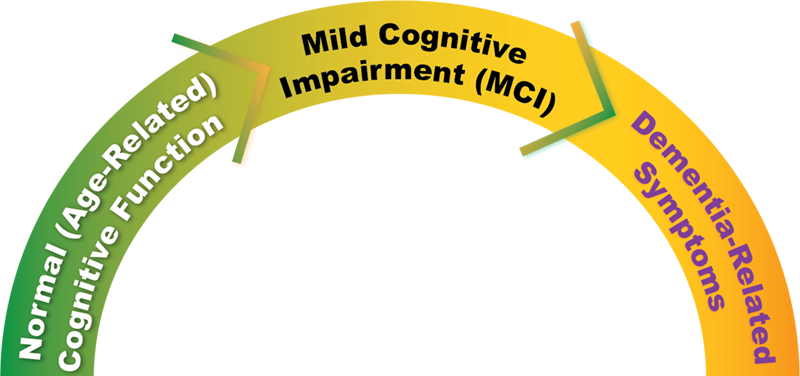
Understanding Mild Cognitive Impairment
The brain changes as we age. Some adults may gradually develop mild cognitive impairment, commonly called MCI.
MCI involves more noticeable changes in memory or thinking than would normally be expected with aging. However, these changes may not be severe enough to prevent a person from managing most daily activities independently.
Family members and friends may notice symptoms before the person experiencing them recognizes a concern. MCI can sometimes represent a stage between ordinary age related changes and more extensive cognitive difficulties.
AD is a common abbreviation for Alzheimer’s disease.
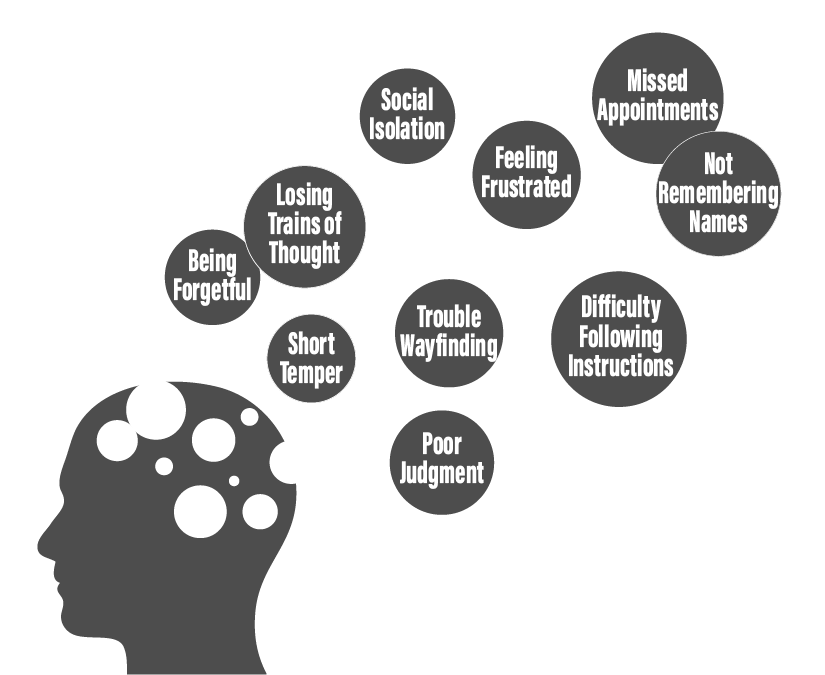
Possible Signs of Cognitive Change
Professional evaluation may be appropriate when a person:
- Frequently forgets recent conversations, appointments or events.
- Loses track of thoughts during a conversation.
- Has increasing difficulty finding familiar words.
- Struggles with planning, organization or problem solving.
- Becomes confused in familiar places.
- Shows noticeable changes in judgment or decision making.
These symptoms can have many possible causes. A qualified medical professional should evaluate concerns involving memory, thinking, behavior or daily function.
Four Hearing and Brain Health Terms to Know
Auditory Deprivation
Auditory deprivation occurs when the brain does not receive consistent sound stimulation. Reduced access to sound may weaken auditory processing pathways over time.
Cognitive Load
Cognitive load describes the amount of information working memory can process at one time. When hearing is difficult, the brain may use more mental effort to understand speech, leaving fewer resources available for remembering and responding.
Brain Connections
The quantity and quality of connections among brain cells support cognitive processing. Regular mental, social and sensory stimulation can help keep these networks active.
Neuroplasticity
Neuroplasticity is the brain’s ability to form and reorganize neural connections. The brain can adapt in response to learning, experience, stimulation and changes in sensory input.
Better Hearing Helps Keep the Brain Engaged
The brain depends on consistent sound stimulation. Just as regular physical exercise supports the body, healthy auditory stimulation helps maintain active connections between the ears and brain.
Personalized hearing care can improve access to speech and environmental sounds. It may also reduce the mental effort required to follow conversations.
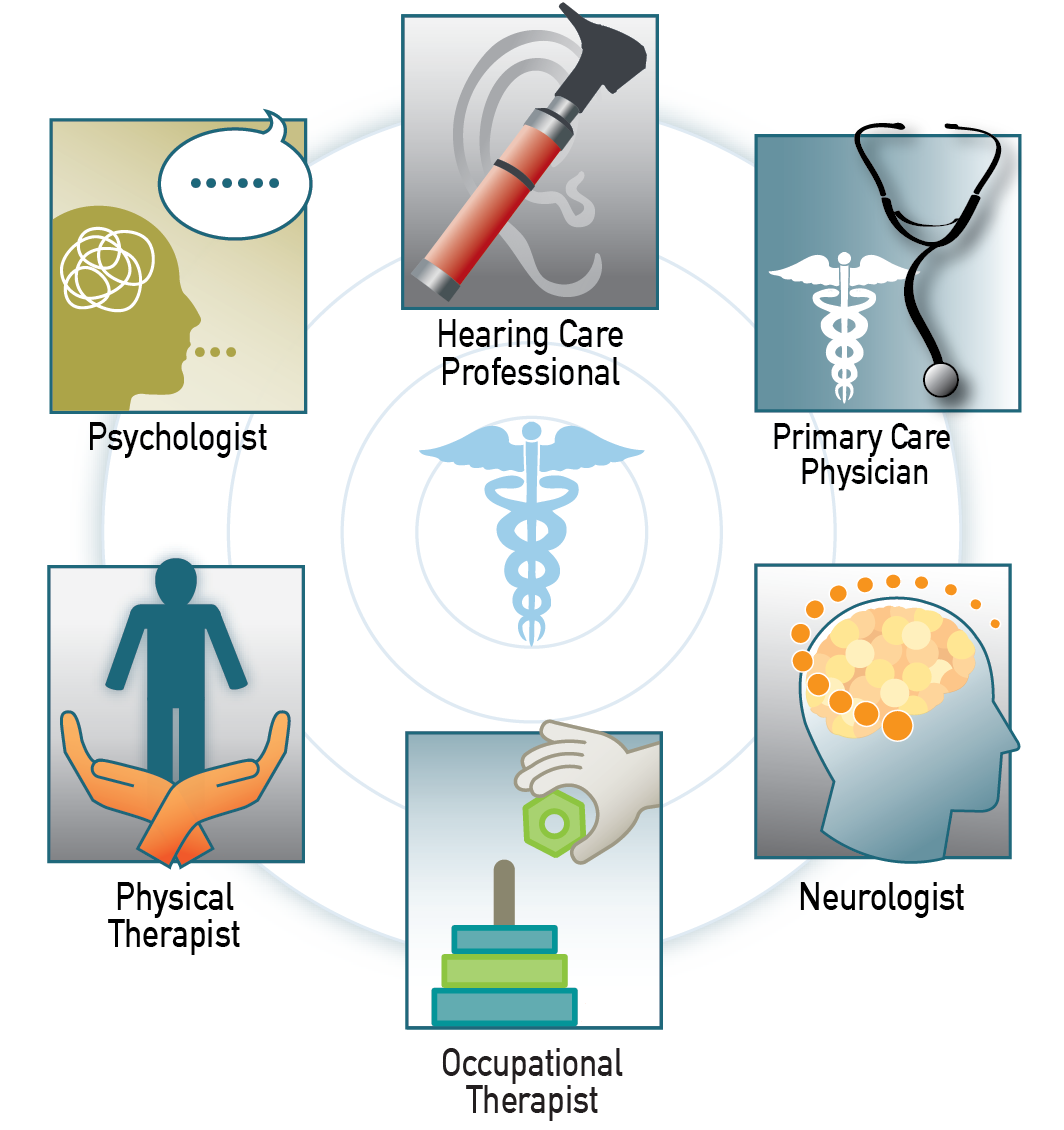
When appropriate, Focus Hearing works with multidisciplinary care teams to support each patient’s overall quality of life.
A Care Team May Include:
- A primary care physician.
- An audiologist or hearing care professional.
- A neurologist.
- A geriatric specialist.
- A psychologist or mental health professional.
- A speech and language professional.
- Family members and caregivers.
Do Not Delay Necessary Hearing Testing
It is important for adults and their families to understand how hearing loss may relate to cognitive health. A timely hearing evaluation can identify auditory difficulties that may interfere with communication, social participation and everyday activities.
If you or a loved one has noticed changes in hearing, memory or communication, begin by discussing those concerns with the appropriate healthcare professionals.
Could hearing loss be making communication more mentally demanding?
Schedule a professional hearing evaluation with Focus Hearing.
Contact Focus HearingResearch source: Powell DS, Oh ES, Reed NS, Lin FR, Deal JA. Hearing Loss and Cognition: What We Know and Where We Need to Go. Frontiers in Aging Neuroscience. Volume 13, 2022.
This information is provided for general educational purposes. Hearing care does not diagnose, prevent or treat dementia. Please speak with a physician about concerns involving memory, cognition or changes in daily function.
Listen to Focus Hearing Podcasts
Explore conversations about hearing health, patient experiences and practical tips for better hearing.
 Watch this Focus Hearing podcast episode
 View another Focus Hearing educational episode
Visit the Focus Hearing Podcast Page
Visit Focus Hearing South
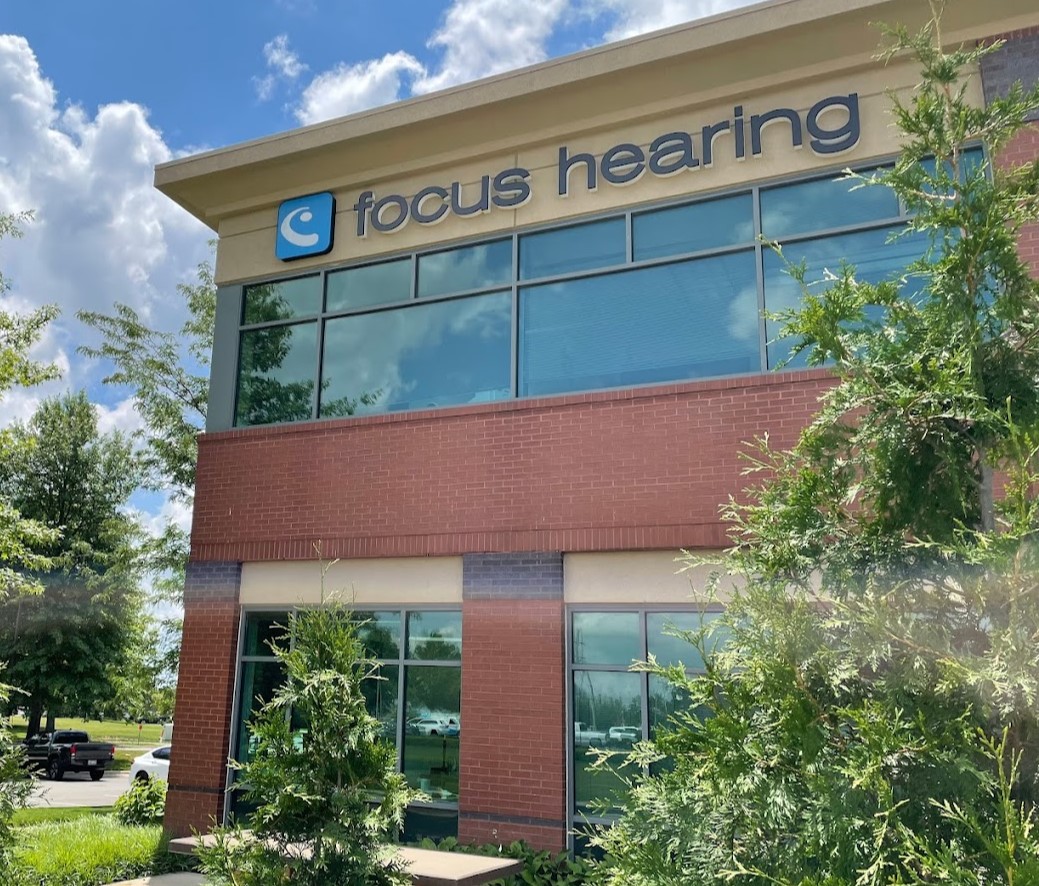
Focus Hearing has expanded with an additional location. Patients can expect the same personal attention and exceptional hearing care at both offices.
7500 West 160th Street, Suite 103
Stilwell, Kansas 66085
View the South Office on Google Maps

What Our Patients Say
“Services provided by Shannon and her staff are thorough and comprehensive. Additionally, follow up has been outstanding. Loved the experience. I am hearing better because of Focus Hearing.”
Dennis N.
Visit Focus Hearing
Focus Hearing Quivira
10990 Quivira Road, Suite 120
Overland Park, Kansas 66210
Walk in service hours
Monday through Friday
10:00 a.m. to 3:00 p.m.
Focus Hearing South
7500 West 160th Street, Suite 103
Stilwell, Kansas 66085
Walk in service hours
Monday through Thursday
10:00 a.m. to 3:00 p.m.
Closed for lunch from 12:30 p.m. to 1:00 p.m.