

In an audiological sense, we reputably share educational information which empowers you and loved ones to Live Life Well. This is a primary reason we aim monthly to raise awareness about comorbidities, how hearing loss relates to various medical conditions.

Health Literacy, Hearing Loss and Cognitive Decline
Back to school season is a reminder that learning continues throughout life. From kindergarten through college and well beyond, reliable knowledge can benefit people of every age.
Focus Hearing shares educational information to help patients and families make informed decisions about hearing health. An important part of this work is explaining how hearing loss may relate to other medical conditions.

What Is Personal Health Literacy?
Personal health literacy is the ability to find, understand and use health information and services when making decisions for yourself or another person.
Medical research can be complex. Healthcare professionals should explain important findings using familiar terms and clear language.
Patients should feel comfortable asking questions, requesting clarification and confirming that they understand their options.
Health Literacy Helps Patients:
- Understand test results and medical recommendations.
- Compare available treatment options.
- Recognize when information comes from a reliable source.
- Ask informed questions during appointments.
- Follow healthcare instructions more confidently.
- Participate in decisions involving their health.
Clear Communication Is Part of Good Healthcare
Hearing difficulties can create an additional barrier to health literacy. It is hard to make an informed decision when a medical explanation, diagnosis or treatment instruction cannot be heard clearly.
Patients should tell their healthcare providers when hearing is difficult. Helpful communication strategies may include reducing background noise, speaking face to face, providing written instructions and confirming important details.
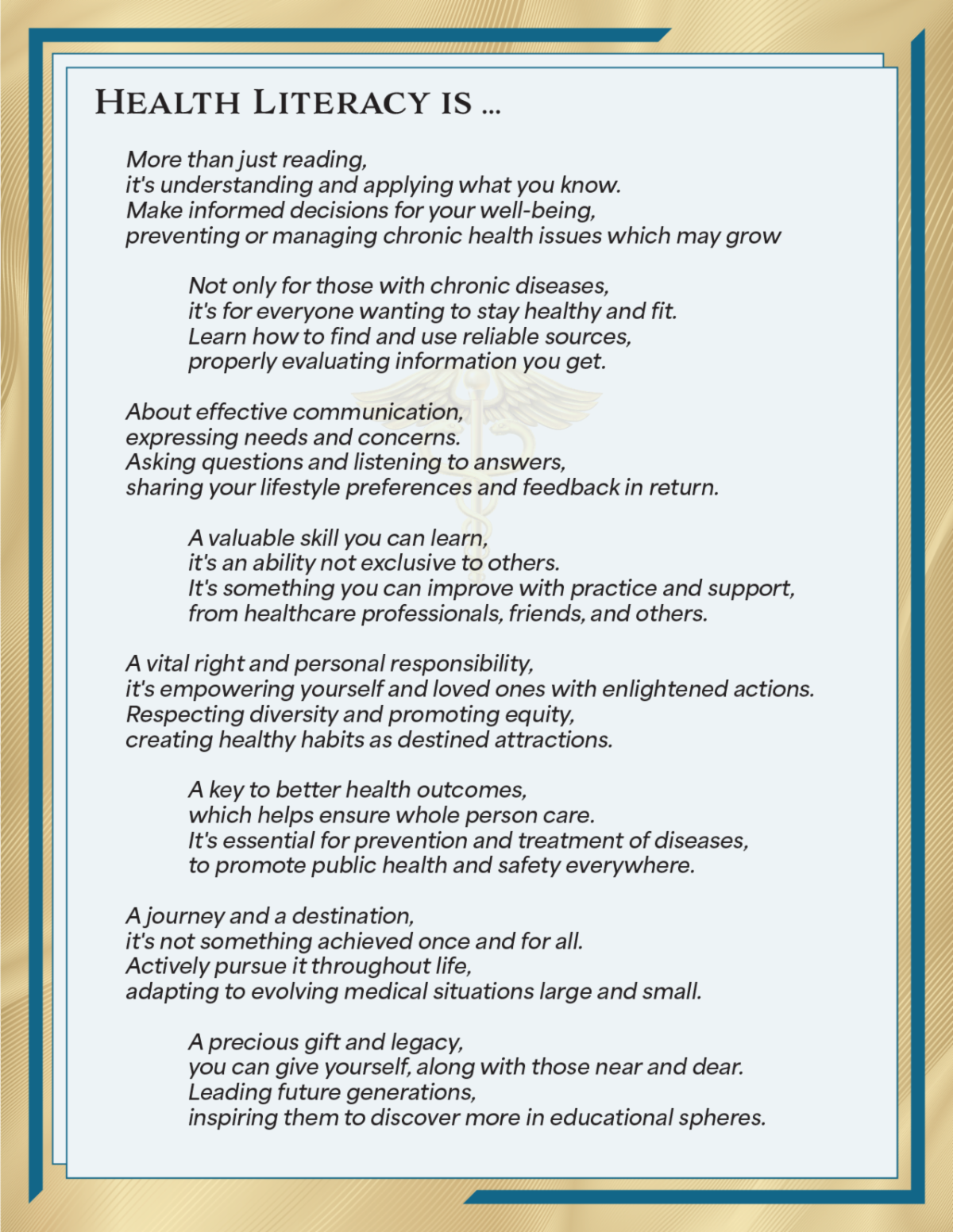
View the Health Literacy Information at Full Size
The Brain Performs the Work of Hearing
The ears collect sound, but the brain interprets and understands it. Sound travels through the auditory system as signals that the brain recognizes as speech, music and environmental information.
Research examining hearing and cognitive health continues to grow. Patients should approach marketplace claims with healthy skepticism and rely on qualified healthcare professionals and reputable scientific sources.

What Is Cognitive Function?
Cognitive function includes the mental abilities people use to understand information and perform everyday activities.
- Thinking and reasoning.
- Learning new information.
- Remembering names, events and instructions.
- Understanding and using language.
- Making decisions.
- Solving problems.
- Planning and completing tasks.
Healthy cognitive function supports independence, communication and participation in daily life.
Hearing Provides Exercise for the Brain
People often associate exercise with walking, cycling, swimming, yoga or going to the gym. These activities support physical fitness.
Sensory stimulation also keeps the brain engaged. The auditory cortex is the area of the brain that processes sound. Conversation, music and environmental sounds provide ongoing auditory input.
When hearing loss reduces access to sound, the brain may have to work harder to understand speech. Improving access to sound may reduce listening effort and support stronger communication.
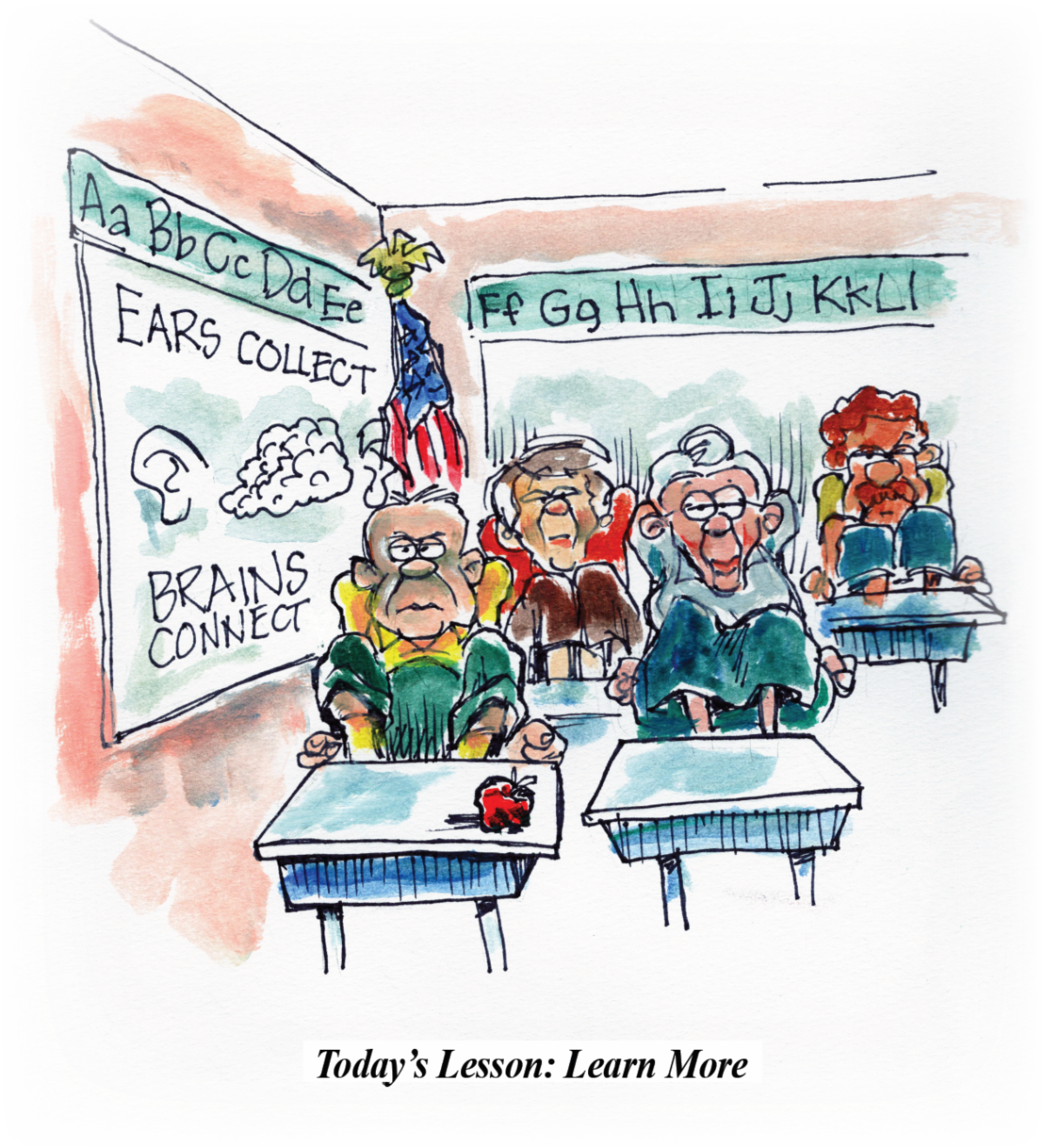
Understanding Mild Cognitive Impairment
The brain changes naturally with age. Some people develop mild cognitive impairment, commonly called MCI.
MCI involves changes in memory or thinking that are more noticeable than ordinary age related changes but may not prevent a person from managing most daily activities independently.
Possible Signs of Cognitive Change
- Frequently forgetting names, words or appointments.
- Losing the train of thought during conversations.
- Having increasing difficulty making decisions.
- Struggling to plan or complete familiar tasks.
- Becoming confused in familiar surroundings.
- Experiencing increased anxiety, irritability or frustration.
These signs can have many possible causes. Hearing loss can also make someone appear confused or forgetful when the information was never heard clearly in the first place.
A physician should evaluate concerns involving memory, judgment, behavior or daily function. A professional hearing evaluation can determine whether hearing loss is also affecting communication.
Good Humor, Healthy Hearing
While we take your hearing care seriously, a little laughter goes a long way.

Keep Living and Learning
Back to school season reminds us that learning can inspire positive change. Strong personal relationships are among life’s lasting pleasures, and healthy hearing helps support those connections.
Just as routine dental and vision appointments are part of preventive care, periodic hearing checkups are a wise choice.
Are hearing difficulties making conversations more mentally demanding?
Schedule a professional hearing evaluation with Focus Hearing.
Contact Focus HearingSource: Centers for Disease Control and Prevention. Health Literacy Information.
This information is provided for general educational purposes. Hearing care does not diagnose, prevent or treat cognitive impairment or dementia. Please speak with a physician about concerns involving memory, cognition or changes in daily function.
Visit Focus Hearing South
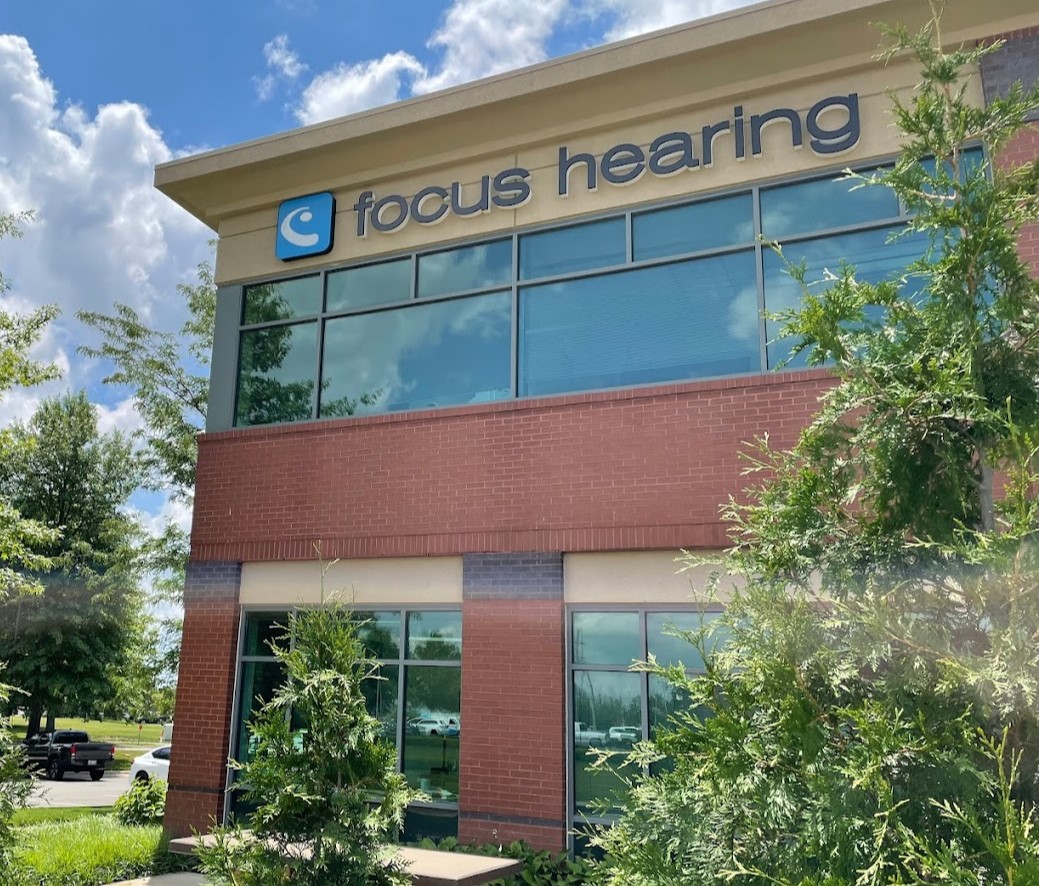
Focus Hearing has expanded with an additional location. Patients can expect the same personal attention and exceptional hearing care at both offices.
7500 West 160th Street, Suite 103
Stilwell, Kansas 66085
View the South Office on Google Maps

What Our Patients Say
“I have had the best experiences with Focus Hearing over the last 10 years. They are very attentive to my needs and very accommodating. They are genuine and kind. Best place to get hearing aids!”
Patty L.
Visit Focus Hearing
Focus Hearing Quivira
10990 Quivira Road, Suite 120
Overland Park, Kansas 66210
Monday through Friday
10:00 a.m. to 3:00 p.m.
Focus Hearing South
7500 West 160th Street, Suite 103
Stilwell, Kansas 66085
Monday through Thursday
10:00 a.m. to 3:00 p.m.
Closed for lunch from 12:30 p.m. to 1:00 p.m.