

March’s National Kidney Month is an opportune time to better understand kidney function and hear the facts about how it relates to our auditory system.

Kidney Disease and Hearing Loss: Understanding the Connection
— Hippocrates
March is National Kidney Month, making it an excellent time to better understand kidney function and how kidney health may relate to the auditory system.
Television commercials often provide clues about healthcare trends. You may have seen advertisements for new pharmaceutical treatments described with scientific acronyms such as GLP-1, SGLT2 and DPP-4.

Although weight loss frequently receives the headlines, some of these medications may have other important medical applications. Depending on the medication and the patient, treatment may help manage blood sugar and reduce certain risks associated with diabetes, cardiovascular disease and kidney disease.
Medication decisions should always be made with a qualified physician who understands the patient’s complete medical history.
What Do Your Kidneys Do?
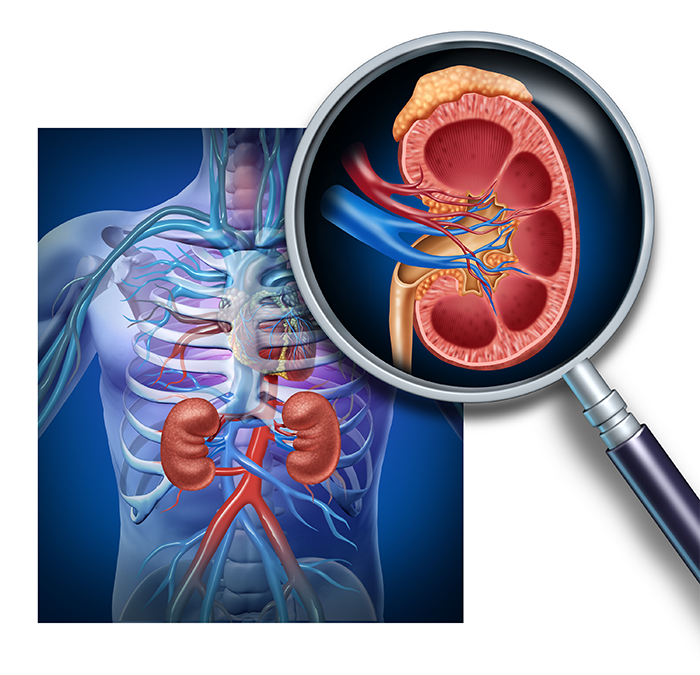
Located below the rib cage on each side of the spine, the kidneys are two bean-shaped organs approximately the size of a fist.
They remove waste, extra fluid and acids from the body while helping maintain appropriate levels of water, salts and minerals in the blood.
Without this continuous cleansing process, nerves, muscles and other tissues may not function normally. This is also relevant to the highly specialized structures of the inner ear.
The cochlea—the small, spiral-shaped organ responsible for converting sound vibrations into signals the brain can understand—is only a fraction of an inch in size and depends on a healthy internal environment.
Learn More About Kidney Function
The following educational video provides an introduction to the kidneys and how they work:

What Is Chronic Kidney Disease?
Chronic kidney disease, commonly abbreviated as CKD, includes conditions that damage the kidneys and decrease their ability to keep the body healthy.
When kidney disease progresses, waste products may build to unhealthy levels in the blood. Complications can include:
- High blood pressure
- Anemia or low blood count
- Weakened bones
- Poor nutritional health
- Nerve damage
- Increased risk of heart and blood-vessel disease
These problems may develop gradually over a long period, which is one reason awareness and appropriate medical testing are important.

How Kidney Health May Relate to Hearing
The body’s circulatory system is essential to the function of many organs. When there is insufficient blood flow—or when impurities affect tiny arteries and blood vessels—delicate structures may be particularly vulnerable.
This is important to hearing because the cochlea is extremely small and depends on healthy circulation and carefully balanced fluids.
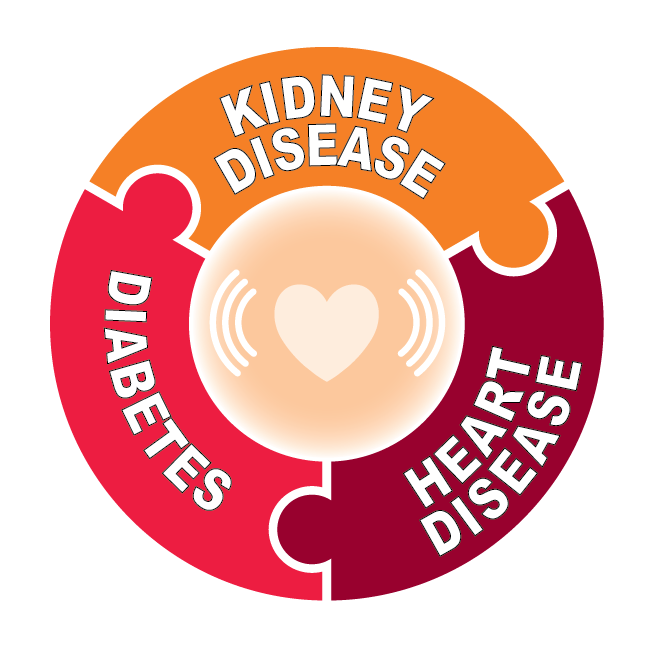
Kidney disease and hearing loss can share certain risk factors.
Research and public-health estimates indicate that hearing loss is relatively common among adults living with chronic kidney disease. From a whole-body perspective, understanding this possible connection makes sense because both the kidneys and inner ear depend on specialized blood vessels and fluid regulation.
Chronic Conditions and Hearing Risk
When you or a loved one has a chronic health condition such as diabetes, heart disease or kidney disease, there may also be an increased risk of hearing loss.
That does not mean everyone with one of these conditions will develop hearing loss. It does mean that regular hearing evaluations can be a valuable part of whole-person care.
Early detection is important because many people do not recognize gradual hearing changes until communication has already become difficult.
Five Habits That Support Kidney Health
Research suggests that several healthy habits may help prevent or delay the progression of chronic kidney disease:
Patients should speak with their physicians before making substantial dietary, exercise or medication changes—especially when managing an existing kidney or cardiovascular condition.
Good Humor, Healthy Hearing
While we take your hearing care seriously, a little laughter goes a long way.

When Should Someone With Kidney Disease Have a Hearing Test?
Do you have chronic kidney disease or know someone receiving dialysis treatment? Consider scheduling regular hearing evaluations to accurately assess hearing ability and monitor changes over time.
A professional hearing test can help determine the type and degree of hearing loss and establish a baseline for comparison during future evaluations.
In coordination with physicians and other healthcare providers, Focus Hearing can recommend appropriate options intended to support communication, hearing wellness and quality of life.
🎧 Tune In to Our Podcast!
We’re excited to share our podcast, where we explore the latest in hearing health, patient stories and practical tips for better hearing.


Improving Your Experience at Focus Hearing
Focus Hearing’s Quivira location will undergo a comprehensive renovation beginning in 2026. We are committed to enhancing our facilities to better serve our patients and staff.

Focus Hearing—Quivira Road
10990 Quivira Road, Suite 120
Overland Park, KS 66210
Further details will be provided as renovation plans progress.



Our Patients Say It Best
“I’ve had outstanding experiences with Focus Hearing. Their hearing aids are of exceptional quality and provide clear and natural sound. What really sets them apart is their incredible staff—professional, knowledgeable and genuinely caring. Their personal care went above and beyond my expectations. I highly recommend Focus Hearing to anyone looking for top-quality hearing solutions.”
— Rita R.
Visit Focus Hearing
Quivira Road
10990 Quivira Road
Suite 120
Overland Park, KS 66210
Walk-In Service Hours
Monday–Friday
10:00 a.m.–3:00 p.m.
Overland Park South
7500 West 160th Street
Suite 103
Overland Park, KS 66085
Walk-In Service Hours
Monday–Thursday
10:00 a.m.–3:00 p.m.
Closed for lunch 12:30–1:00 p.m.
Research Source
Zahara D, Dewi RD, Aboet A, Putranto FM, Lubis ND, Ashar T. “Variations in Cochlear Size of Cochlear Implant Candidates.” International Archives of Otorhinolaryngology. 2019;23(2):184–190.


The information in this article is provided for general educational purposes and is not a substitute for individualized medical advice. Please speak with your physician, kidney specialist or hearing healthcare provider about your personal health concerns.
© 2026 Focus Hearing. All rights reserved.