

June’s Alzheimer’s & Brain Awareness Month is an essential time to convey knowledge that empowers quality of life improvement. This is crucial when 7.2 million Americans, about 1 in 9 people aged 65 and older, are living with Alzheimer’s Dementia,…

Hearing Loss and Dementia: What Patients and Families Should Know
June’s Alzheimer’s and Brain Awareness Month is an important time to share knowledge that can support healthier decisions and a better quality of life.
Approximately 7.2 million Americans are living with Alzheimer’s dementia. That represents about one in nine people age 65 and older. The condition also affects millions of family members, friends, caregivers and colleagues.
As the population ages and the number of people affected increases, understanding brain health becomes increasingly important.

What Is a Chronic Disease?
A chronic disease is generally defined as a condition that lasts one year or longer and requires ongoing medical attention, limits activities of daily living or does both.
Dementia is considered a chronic disease because it can progressively affect memory, thinking, communication, behavior and the ability to manage everyday activities.
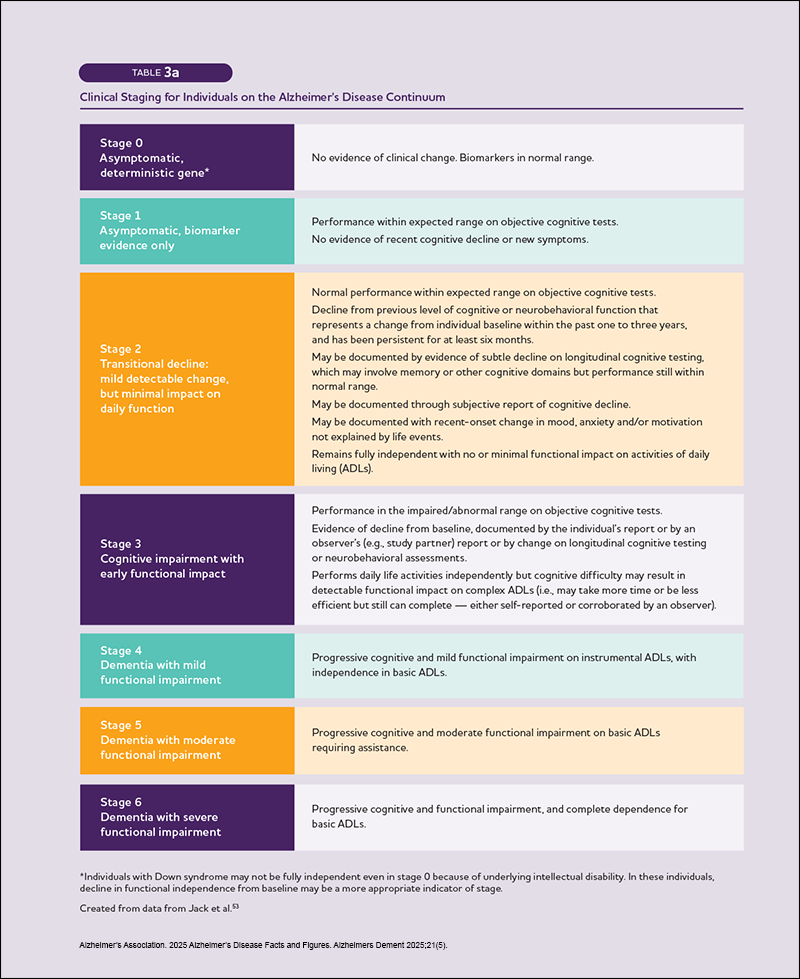
View the Dementia Continuum at Full Size
The Alzheimer’s Association
The Alzheimer’s Association is a leading voluntary health organization supporting Alzheimer’s care, research and public education.
Its mission includes accelerating global research, supporting risk reduction and early detection, and improving the quality of care and support available to people affected by dementia.
Watch this brief video to learn more about the organization’s impact.

Watch the Alzheimer’s Association Video
Alzheimer’s Disease in Our Communities
National statistics show that millions of Americans are affected by Alzheimer’s disease and other forms of dementia. State level statistics provide a closer look at how these conditions affect local communities, families and healthcare systems.
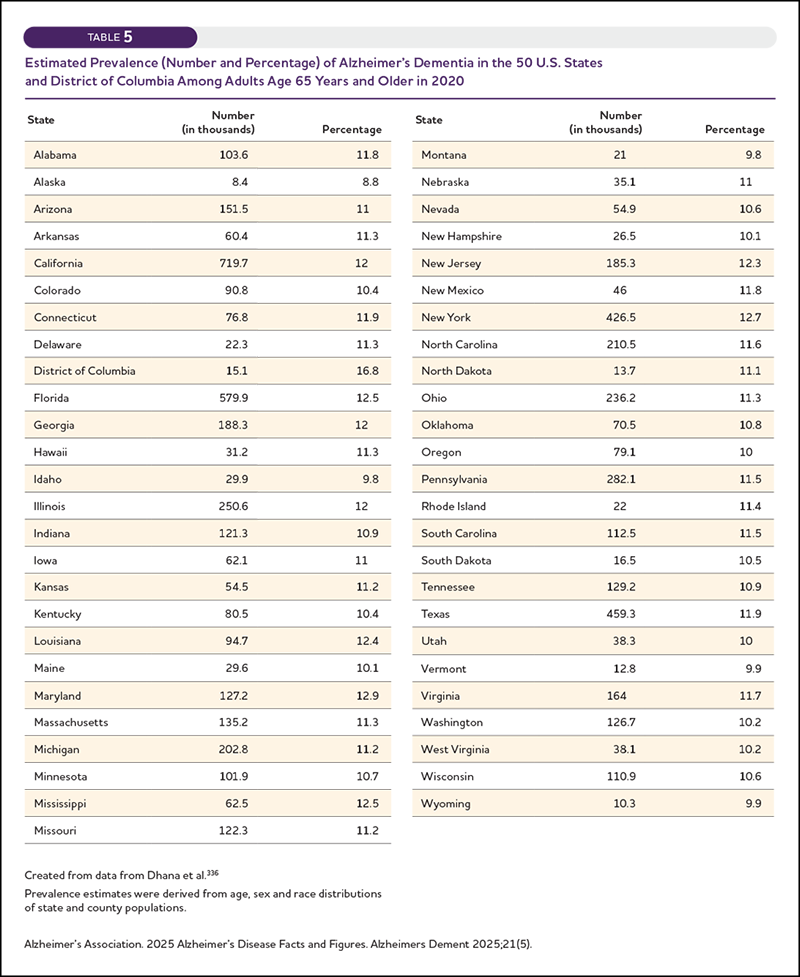
View the Alzheimer’s Statistics at Full Size
How Hearing Loss Relates to Dementia
Whole person care considers how different aspects of health may interact. A comorbidity exists when a person has two or more medical conditions at the same time.
Researchers have developed a growing body of evidence describing the relationship between hearing loss and cognitive health. Hearing loss and dementia are separate chronic conditions, but hearing difficulties may contribute to social isolation, increased listening effort and reduced access to communication.
Hearing loss does not mean that a person will develop dementia. However, appropriate hearing care may help people stay socially engaged, communicate more effectively and maintain access to meaningful sound.
Focus Hearing Is Committed to:
- Sharing reliable wellness information with patients and families.
- Answering important questions about hearing and cognitive health.
- Encouraging patients to remain curious and involved in healthcare decisions.
- Providing personalized hearing treatment plans based on professional testing.
- Coordinating with other healthcare professionals when appropriate.
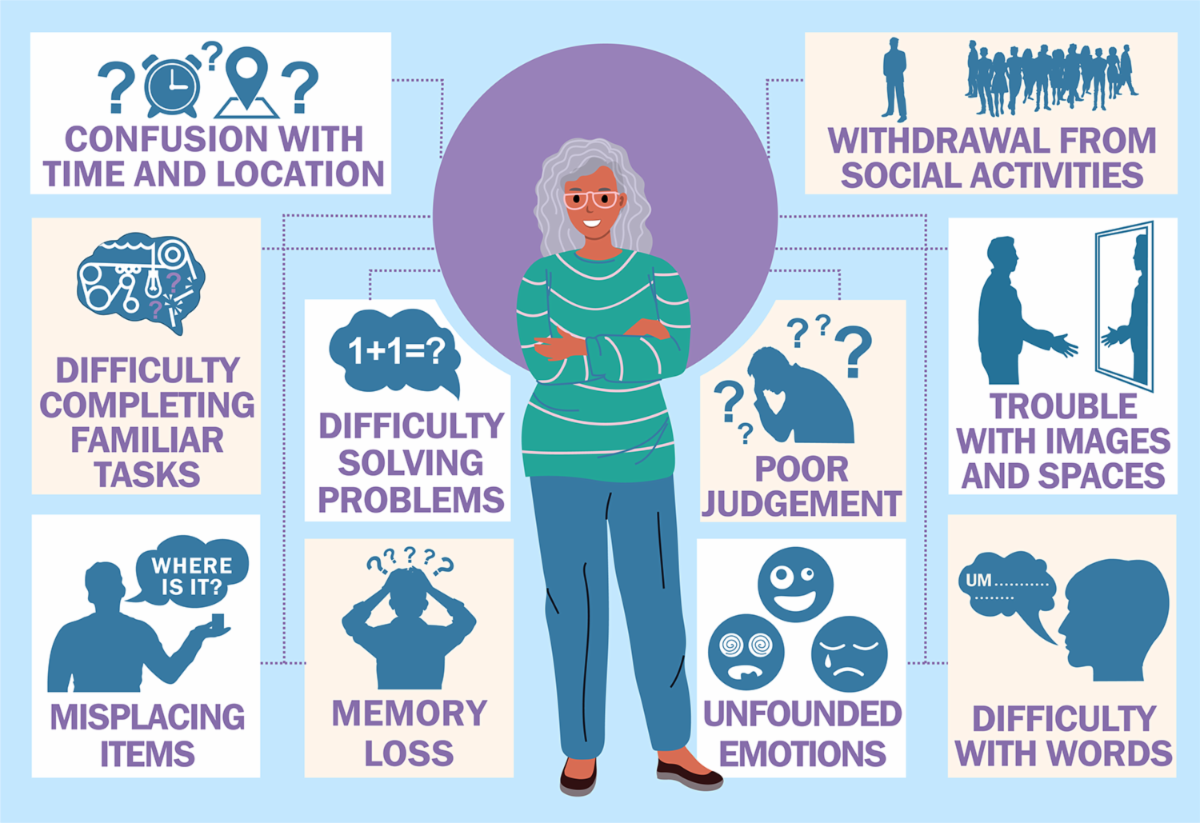
Ten Warning Signs of Dementia
Memory and thinking abilities naturally change with age, but some changes may deserve professional attention.
- Memory loss that interferes with daily life.
- Difficulty planning or solving problems.
- Difficulty completing familiar tasks.
- Confusion about time or place.
- Trouble understanding visual images or spatial relationships.
- New problems with words in speaking or writing.
- Misplacing items and being unable to retrace steps.
- Reduced or poor judgment.
- Withdrawal from work or social activities.
- Changes in mood or personality.
These signs can have many possible causes. A medical evaluation is needed to determine what may be contributing to them.
Review the Alzheimer’s Association Warning Signs
Hearing Loss Is Common Among Older Adults
Research estimates that more than two thirds of American adults age 70 and older have hearing loss in both ears.
More than 44 million older adults were estimated to have hearing loss in 2020. That number is expected to grow to more than 73 million by 2060.
Hearing loss becomes more common with age, but significant hearing loss is not necessarily an unavoidable part of aging. Each person follows a different hearing path shaped by genetics, environmental noise, medical history and other health factors.
Scientists and clinicians continue to study whether treating hearing loss may provide protective benefits related to cognitive and emotional health.
Could Earlier Intervention Make a Difference?
Research projections suggest that delaying the onset of dementia by five years could eventually reduce the number of dementia cases by approximately 57 percent and lower the cost of care and services by approximately 40 percent over 30 years.
These projections do not mean that hearing treatment prevents dementia. They demonstrate why researchers are studying modifiable health factors and interventions that may support cognitive health.

Hearing Care Supports Communication and Connection
If you or a loved one is experiencing early signs of cognitive change, speak with a physician. A hearing evaluation may also be valuable because untreated hearing difficulties can make communication more demanding.
Professional hearing care can help a person hear more clearly, participate in conversations and remain socially involved. These are meaningful quality of life goals at every age.
Have you or a loved one noticed changes in hearing or communication?
Schedule a professional hearing evaluation with Focus Hearing.
Contact Focus HearingResearch sources:
Data compiled from Goman and colleagues and the Alzheimer’s Disease Facts and Figures Report. Adapted from Powell and colleagues.
Powell DS, Oh ES, Reed NS, Lin FR, Deal JA. Hearing Loss and Cognition: What We Know and Where We Need to Go. Frontiers in Aging Neuroscience. 2022;13:769405.
This information is provided for general educational purposes. Hearing care does not diagnose, prevent or treat Alzheimer’s disease or dementia. Please speak with a physician about concerns involving memory, cognition, behavior or changes in daily function.
Listen to Focus Hearing Podcasts
Explore conversations about hearing health, patient experiences and practical tips for better hearing.
 Watch this Focus Hearing podcast episode
 View another Focus Hearing educational episode
Visit the Focus Hearing Podcast Page
Visit Focus Hearing South
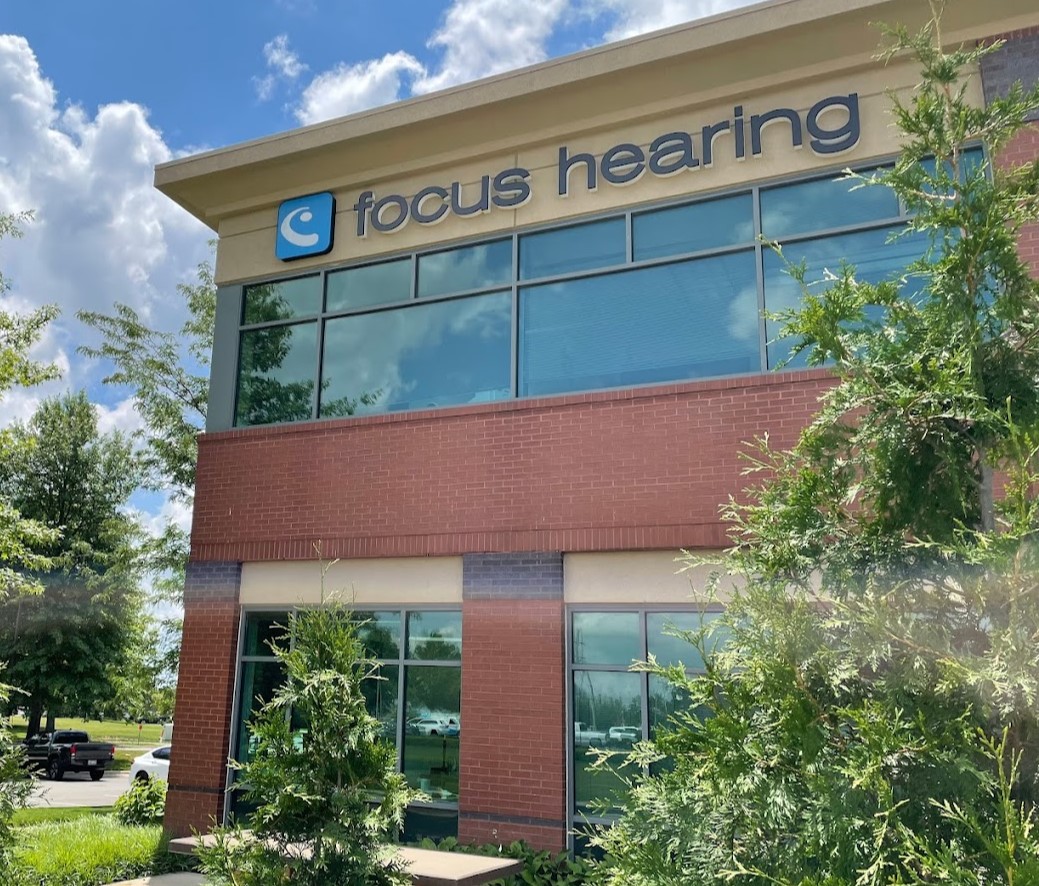
Focus Hearing has expanded with an additional location. Patients can expect the same personal attention and exceptional hearing care at both offices.
7500 West 160th Street, Suite 103
Stilwell, Kansas 66085
View the South Office on Google Maps

What Our Patients Say
“Went today for a device check and cleaning, and I was greeted by the lovely Dawn, who is a joy. Then I saw Shannon, who updated and cleaned my hearing aids. She, too, is a joy to deal with! We had a wonderful conversation. All in all, it was a delightful visit. I cannot wait to go back. They make it fun!”
Rob M.
Visit Focus Hearing
Focus Hearing Quivira
10990 Quivira Road, Suite 120
Overland Park, Kansas 66210
Walk in service hours
Monday through Friday
10:00 a.m. to 3:00 p.m.
Focus Hearing South
7500 West 160th Street, Suite 103
Stilwell, Kansas 66085
Walk in service hours
Monday through Thursday
10:00 a.m. to 3:00 p.m.
Closed for lunch from 12:30 p.m. to 1:00 p.m.