

Hearing loss and vision loss are common comorbidities, with Dual Sensory Loss a descriptor. Both are, among other factors, age-related, so as populations grow older, rising numbers of individuals will inevitably be affected. As point of fact:

Hearing Loss, Vision Loss and Dual Sensory Health
“Knowledge is power. Information is liberating. Education is the premise of progress, in every society, in every family.”
Kofi Annan
Focus Hearing is committed to providing useful wellness information and the personal attention our patients deserve. Throughout the year, we share reliable information about hearing and its relationship with other areas of health.
Scientists devote years to conducting studies and publishing evidence based findings. Peer reviewed research can help healthcare professionals, patients and families make more informed decisions.
Our goal is to explain this information in plain language and answer the questions that matter to you.

Two Health Terms to Know
Comorbidity
Comorbidity refers to the presence of two medical conditions or chronic diseases in the same person and the ways those conditions may relate to one another.
Multimorbidity
Multimorbidity refers to the presence of more than two medical conditions or chronic diseases in the same person.
Understanding these terms can make it easier to discuss how hearing health fits within whole person care.
What Is Dual Sensory Loss?
Hearing loss and vision loss are common conditions, especially among older adults. When a person experiences both, it is often called dual sensory loss.
As the population ages, more individuals and families will be affected by combined changes in hearing and vision.
A Global Burden of Disease report found that hearing and vision loss together were major contributors to years lived with disability among older adults.
These sensory conditions were also significant contributors to disability among adults in middle age.

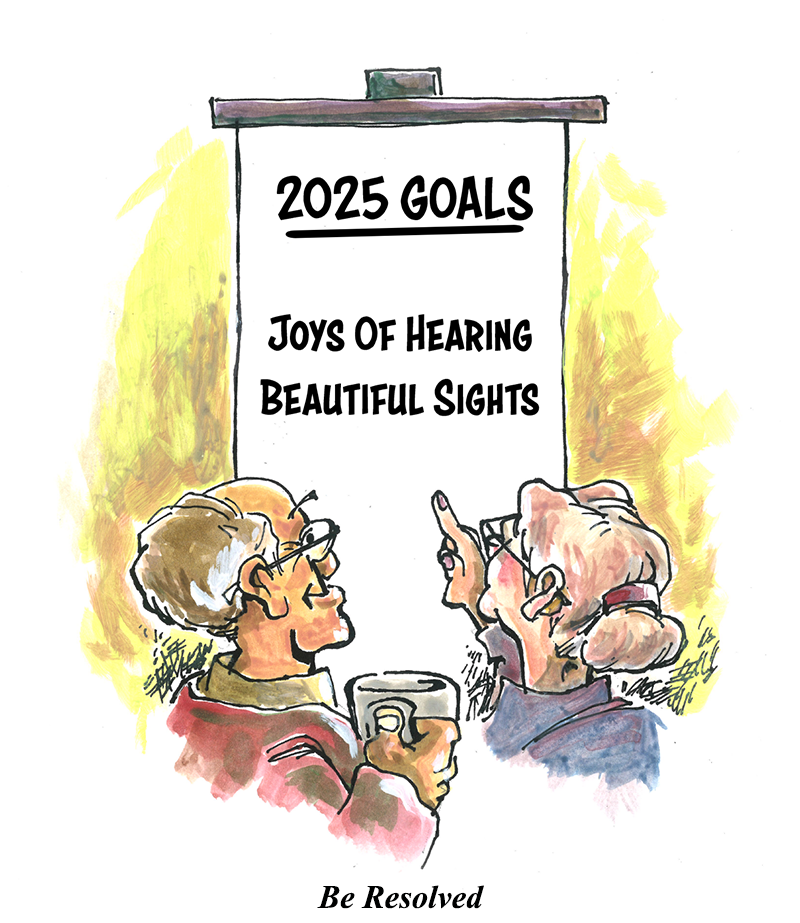
Healthy hearing and vision help people navigate their surroundings, communicate, enjoy activities and maintain independence. The joys of hearing and beautiful sights enrich daily life.
People Often Treat Vision Loss Earlier
When driving becomes unsafe or small print becomes difficult to read, many people schedule an eye examination. Eyeglasses, contact lenses and cataract procedures have become familiar parts of healthcare.
Hearing changes may receive less attention. People often wait years before receiving a professional hearing evaluation, even when communication has become difficult.
Just as clear vision deserves attention, so does access to conversation, music, environmental sounds and the other parts of life’s soundtrack.
Possible Signs of Hearing or Vision Difficulty
- Difficulty following conversations in background noise.
- Frequently asking people to repeat themselves.
- Turning the television volume higher than others prefer.
- Difficulty reading signs, labels or printed material.
- Feeling uncertain while walking in dimly lit areas.
- Avoiding social activities because seeing or hearing has become difficult.
Dual Sensory Loss and Emotional Health
Research has also examined the relationship between sensory loss and depression. People with visual impairment or dual sensory loss may experience depression or depressive symptoms more often than the general population.
The onset of a sensory disability can be stressful and may require significant adjustments. People may initially try to complete activities in the same ways they did before the loss, even when those methods are no longer effective.
As hearing or vision difficulties progress, communication, mobility and social participation may become more challenging. These changes can contribute to frustration, withdrawal and emotional distress.

Adapting to Hearing and Vision Changes
People do not have to manage sensory changes alone. Appropriate professional care can help identify practical strategies, useful technology and safer ways to complete daily activities.
A whole person care plan may involve:
- An ophthalmologist or optometrist for vision care.
- An audiologist or hearing care professional for hearing evaluation and treatment.
- A primary care physician who understands the person’s broader medical history.
- Occupational or physical therapy when mobility and daily activities are affected.
- Mental health support when sensory changes contribute to depression, anxiety or isolation.
- Family members and caregivers who help support communication and safety.
Good Humor, Healthy Hearing
While we take your hearing care seriously, a little laughter goes a long way.
Enjoy the Sights and Sounds of Birds
The Merlin Bird ID application, developed by the Cornell Lab of Ornithology, can help identify birds by appearance and sound.
It offers a fun way to reconnect with nature and enjoy the sights and sounds of nearby birds.

Learn More About Merlin Bird ID
Schedule Annual Hearing and Vision Checkups
Just as you visit an ophthalmologist or optometrist for regular eye examinations, consider making professional hearing evaluations part of your preventive healthcare routine.
Annual testing can establish a baseline, identify changes and help you make informed decisions before hearing difficulties begin limiting daily life.
Have you or a loved one noticed changes in hearing or communication?
Schedule a professional hearing evaluation with Focus Hearing.
Contact Focus HearingResearch sources:
Vos T and colleagues. Global, regional and national incidence, prevalence and years lived with disability for 328 diseases and injuries in 195 countries. The Lancet. 2017;390:1211 to 1259.
McDonnall MC. The effects of developing a dual sensory loss on depression in older adults. Journal of Aging and Health. 2009;21(8):1179 to 1199.
Livneh H, Antonak RF. Psychosocial adaptation to chronic illness and disability. Journal of Counseling and Development. 2005;83(1):12 and following.
This information is provided for general educational purposes. Please speak with your physician, vision care professional, mental health professional or hearing care professional about individual health concerns.
Visit Focus Hearing South
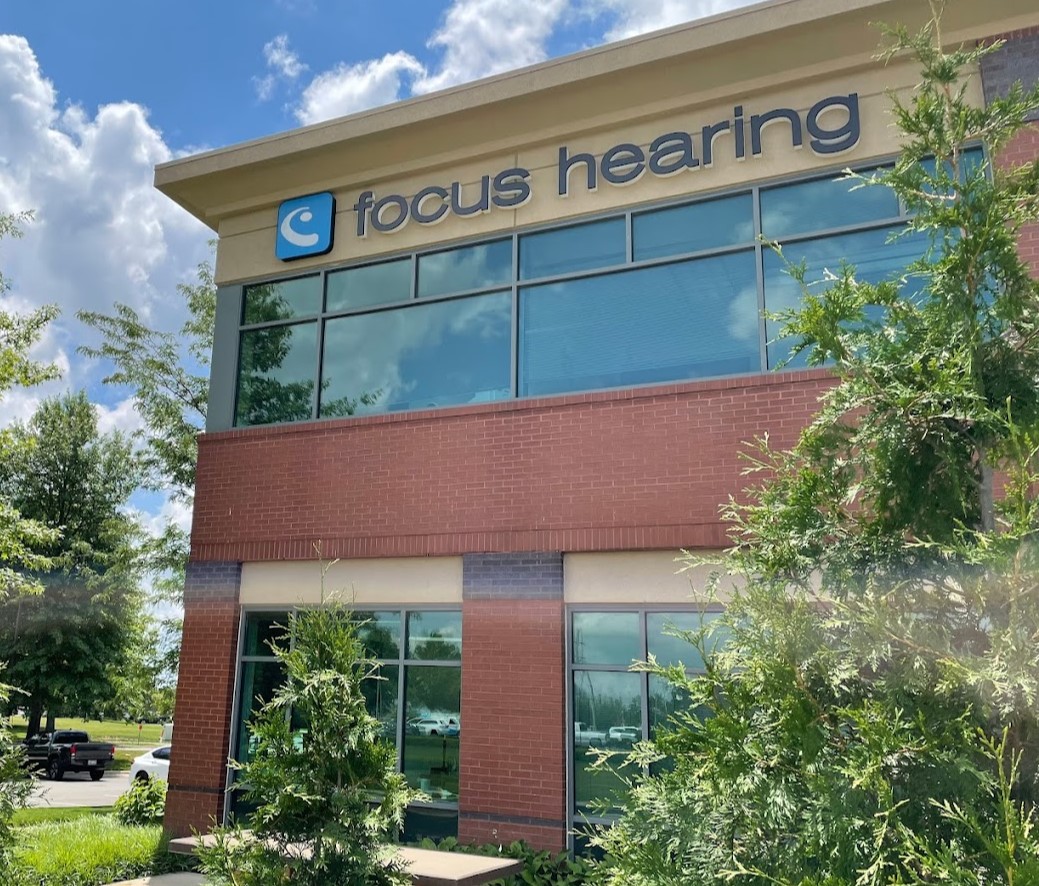
Focus Hearing has expanded with an additional location. Patients can expect the same personal attention and exceptional hearing care at both offices.
7500 West 160th Street, Suite 103
Stilwell, Kansas 66085
View the South Office on Google Maps

What Our Patients Say
“I purchased hearing aids a little over a year ago and have been very happy with the experience. I felt listened to and was treated with respect, and the hearing aids were great. One recently failed, and they saw me the same day I called for service and fixed the problem in less than 20 minutes. I have had experiences with other hearing aid providers, and Focus is the absolute best.”
Timothy T.
Visit Focus Hearing
Focus Hearing Quivira
10990 Quivira Road, Suite 120
Overland Park, Kansas 66210
Monday through Friday
10:00 a.m. to 3:00 p.m.
Focus Hearing South
7500 West 160th Street, Suite 103
Stilwell, Kansas 66085
Monday through Thursday
10:00 a.m. to 3:00 p.m.
Closed for lunch from 12:30 p.m. to 1:00 p.m.